What Can You Print with a 3D Printer?

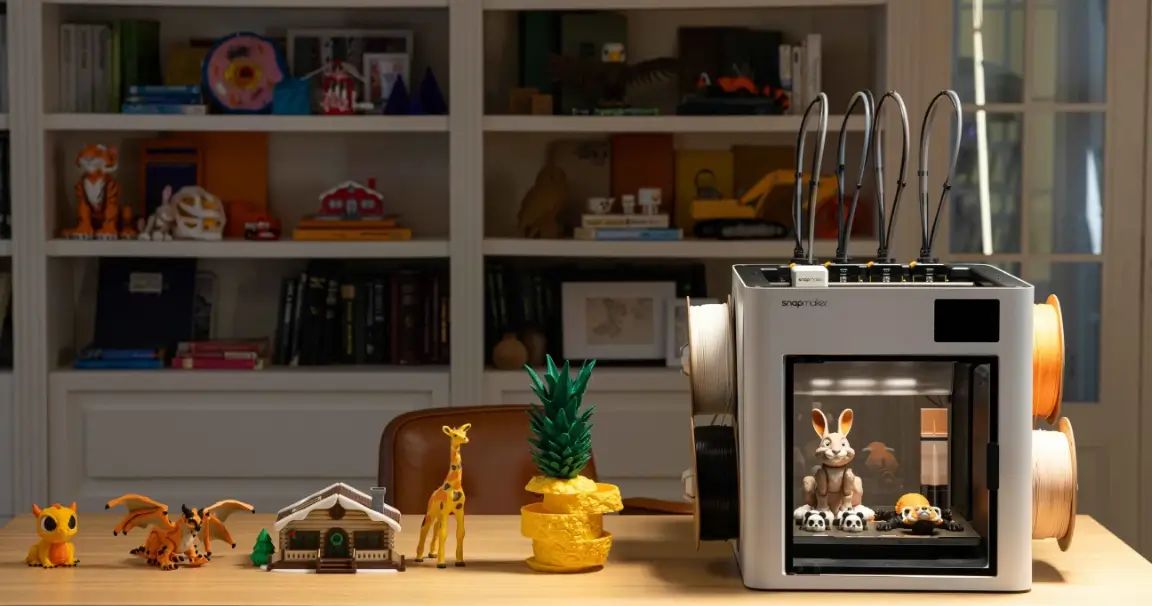
If you've ever wondered what you can print with a 3D printer beyond cheap plastic toys, the answer is: far more than most beginners expect. Even if you’ve just spent an hour scraping a warped, spaghetti-like failure off your heated bed, make no mistake: that machine sitting on your desk is the ultimate real-world hacking tool. We are way past the era of printing brittle knick-knacks. Today's additive manufacturing ecosystem allows you to fabricate everything from a fifty-cent wall hook that saves a trip to the hardware store to a highly customized product line that can bankroll a serious side hustle. Whether you're a complete beginner staring at your first spool of PLA or a seasoned maker pushing the limits of multi-material geometry, your printer becomes a tool for solving real-world problems on demand.
What Can You Print with a 3D Printer? You can print everything from phone cases, wall hooks, and storage organizers to functional engineering prototypes, cosplay props, and flexible wearables with a modern 3D printer. While not every object is suitable for consumer-grade printing (like food containers or load-bearing safety gear), today's desktop additive manufacturing systems can create practical, decorative, and highly profitable products for everyday home use and small businesses.
The Reality of Additive Manufacturing: Can You 3D Print Anything?
Let’s get straight to it: No, you cannot literally 3D print anything.
The laws of physics, thermodynamics, and actual legal statutes still apply. You are bound by physical size limitations, strict food safety compliance, structural load-bearing physics, and federal regulations.
But here is the good news: thanks to the explosive rise of flexible filaments like TPU, ultra-tough engineering plastics, and true multi-material extrusion systems, the boundaries of what you can print have expanded exponentially. You aren't just printing plastic; you are printing functional solutions.
Easy Beginner Projects Anyone Can 3D Print
If you just unboxed your machine, don't panic. You don't need an engineering degree or advanced CAD skills to get started. If you are looking for specific 3D printing ideas for beginners, the internet is packed with ready-to-print STL files that you can slice and produce in a matter of hours. Even better, most of these beginner projects print in under 3 hours and use less than $1 worth of PLA filament.
Desk Toys and Fidget Prints
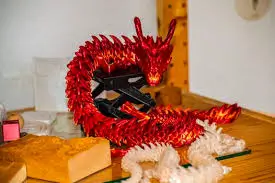
Start with things that bring instant gratification. Print-in-place models—designs that come off the build plate fully assembled with working hinges—are incredibly satisfying. Articulated dragons and complex gear cubes remain some of the most popular 3D printed toys and support-free stress relievers in the maker community.
Simple Home Helpers
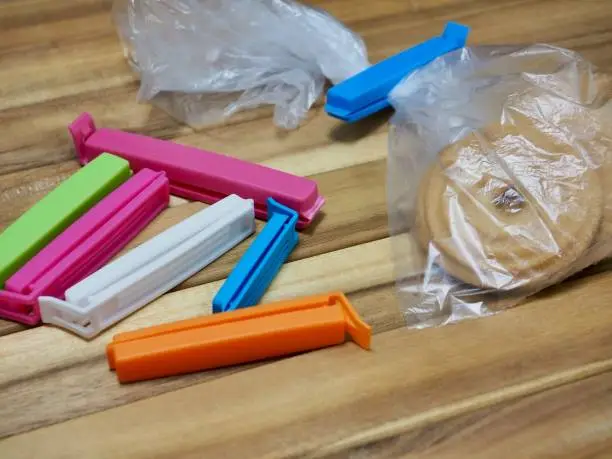
The magic of 3D printing is that it makes your life slightly frictionless. You can crank out cable clips, toothbrush holders, and under-desk headphone hooks. One of the most heavily downloaded functional prints is the press-to-seal bag clip—a brilliant little mechanism that keeps your coffee beans or chips fresh without snapping.
Personalized Gifts & Custom Cases
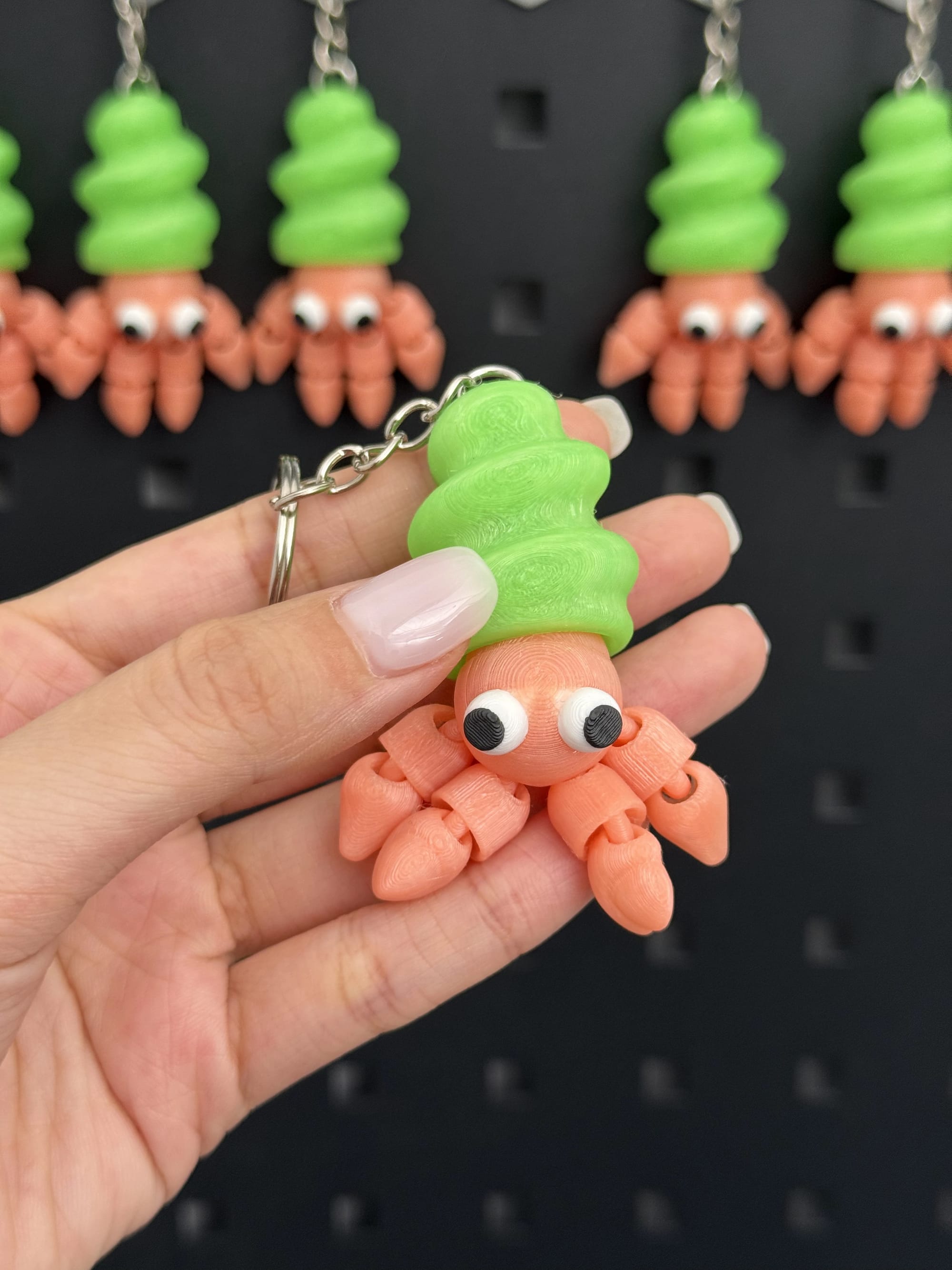
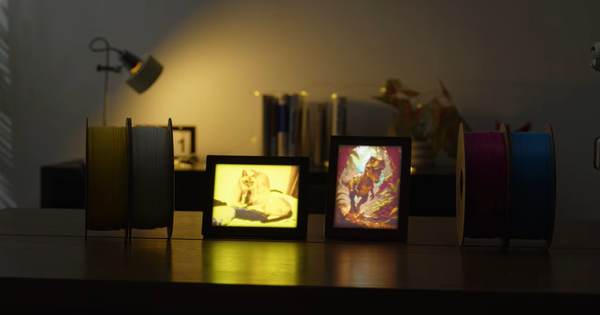
Why buy a generic gift when you can print a hyper-personalized one for pennies? Custom nameplates and photo keychains are great, especially when experimenting with wood PLA 3D printing ideas for a unique, natural finish. You can also print custom phone cases if you explore different TPU 3D print ideas, offering endless color combinations. But the real crowd-pleaser is the lithophane: a 3D-printed photograph that uses varying thicknesses of plastic to reveal a stunning grayscale image when held up to the light.
Everyday Problem Solvers: Practical Things to Print
For intermediate makers, a 3D printer shines when you need something oddly specific that stores simply don't sell. Your home is full of non-standardized spaces and ergonomic nightmares, and 3D printing is the perfect medium to fix them.
Custom Desk and Tool Organization
You can completely overhaul your workspace. Stackable battery holders, bespoke drawer dividers, and cantilever tool boxes engineered specifically to hold tiny 0.4mm brass nozzles and hex keys turn a chaotic workbench into a dialed-in workstation.
Tech Mounts and Ergonomic Grips
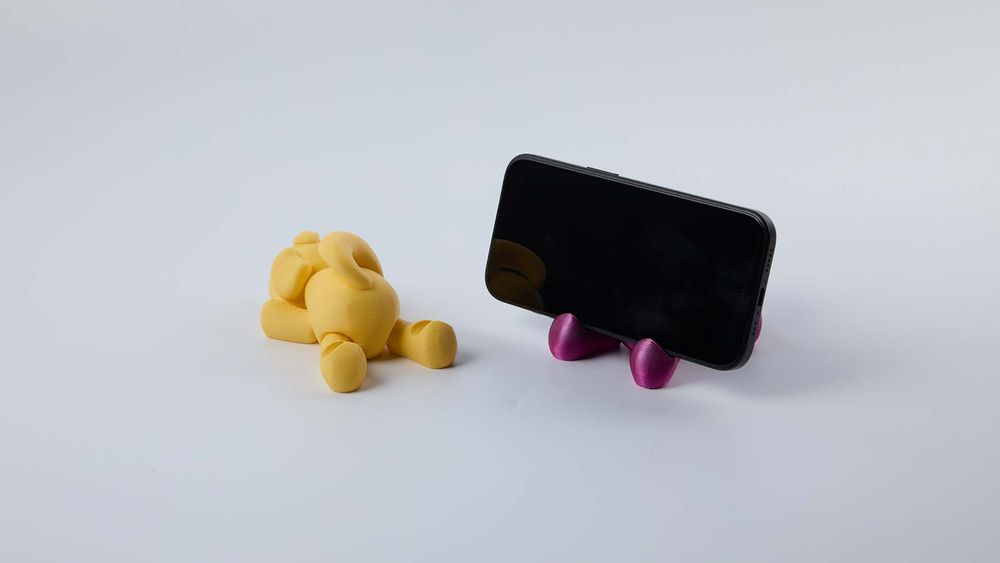
Stop paying premium prices for molded plastic accessories. You can easily print desktop phone stands with integrated MagSafe charging slots or heavy-duty monitor risers. If you're a heavy reader, using an ergonomic Kindle grip can drastically reduce hand fatigue during marathon reading sessions.
Printing for Profit: The Best High-Margin Ideas to Sell
Behind the search term "what can you print with a 3D printer," there is often a powerful entrepreneurial itch. A lot of makers buy a printer with the explicit goal of exploring profitable 3D printing business ideas and launching an Etsy shop or a Shopify side hustle.
Lucrative Niches for 2026
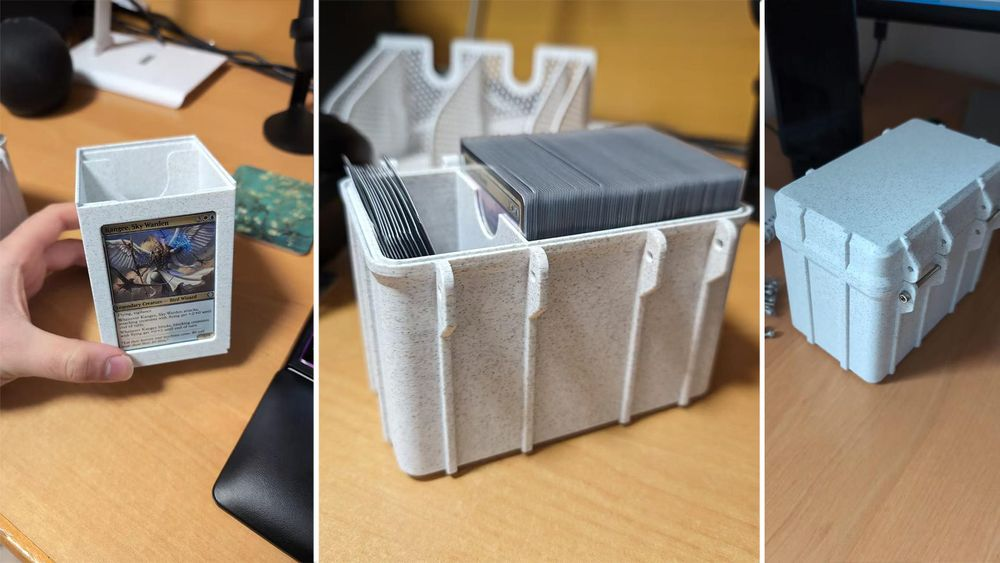
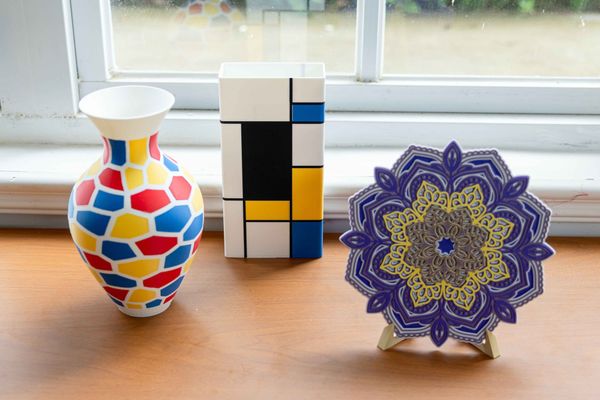
If you want to move beyond printing toys and actually generate revenue, you need to target high-margin niches with your own original designs. Customized, complex geometric planters, intricate original tabletop gaming miniatures, deck boxes, and massive dice towers command serious premiums from loyal hobbyists. On the heavier side, creating original, large-scale cosplay props—like custom-designed sci-fi armor or LED-equipped futuristic gear—can be incredibly lucrative while keeping you safely away from intellectual property (IP) infringement and copyright strikes. Functional gear like bespoke drone mounts or RC car replacement parts also has a dedicated, paying audience.
The Economics of Desktop Manufacturing
The material economics are surprisingly good. You can take a standard $15 roll of filament and turn it into dozens of high-value minimalist jewelry pieces or tech mounts. The secret to actually making money, however, is reducing your post-processing time. Designs that print cleanly without requiring hours of support, cleanup, and frustration are the key to maximizing your hourly rate.
The Multi-Material Solution: Why Tool Changers Beat Traditional AMS
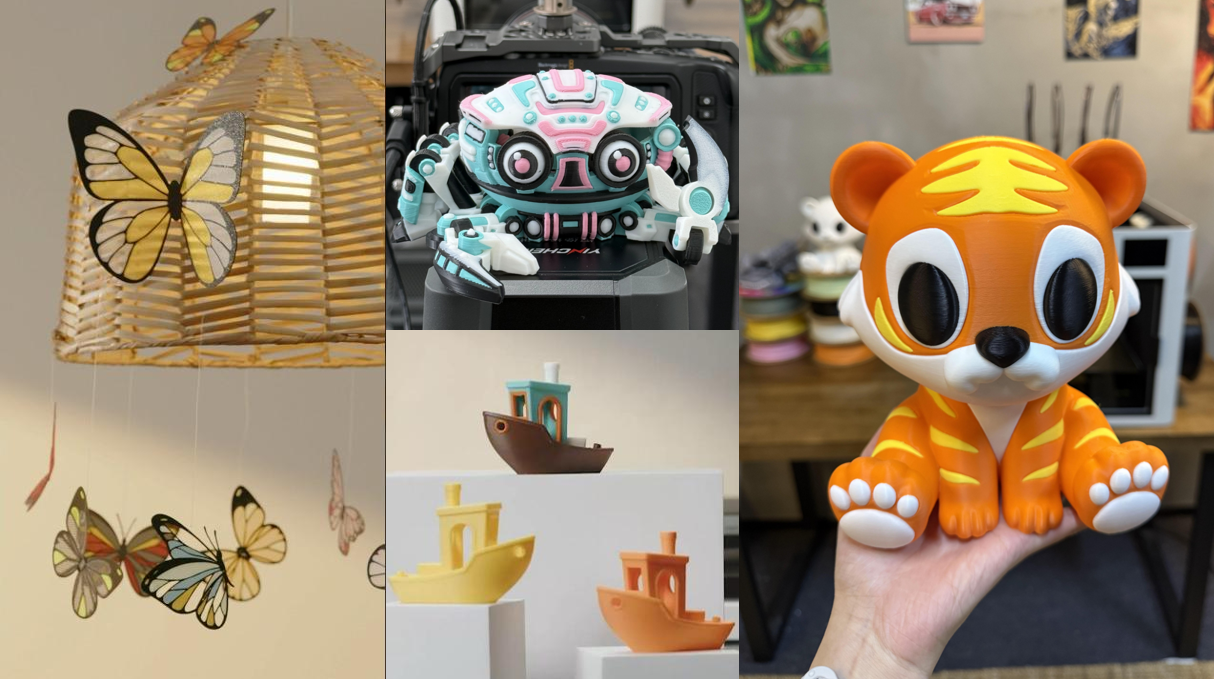
Eventually, every maker hits the wall: you want to create stunning multicolor 3D prints using multiple materials or colors. Historically, the desktop market answered this with single-nozzle Automatic Material Systems (AMS). And historically, those systems have been a massive headache.
The Flexible Filament Frustration
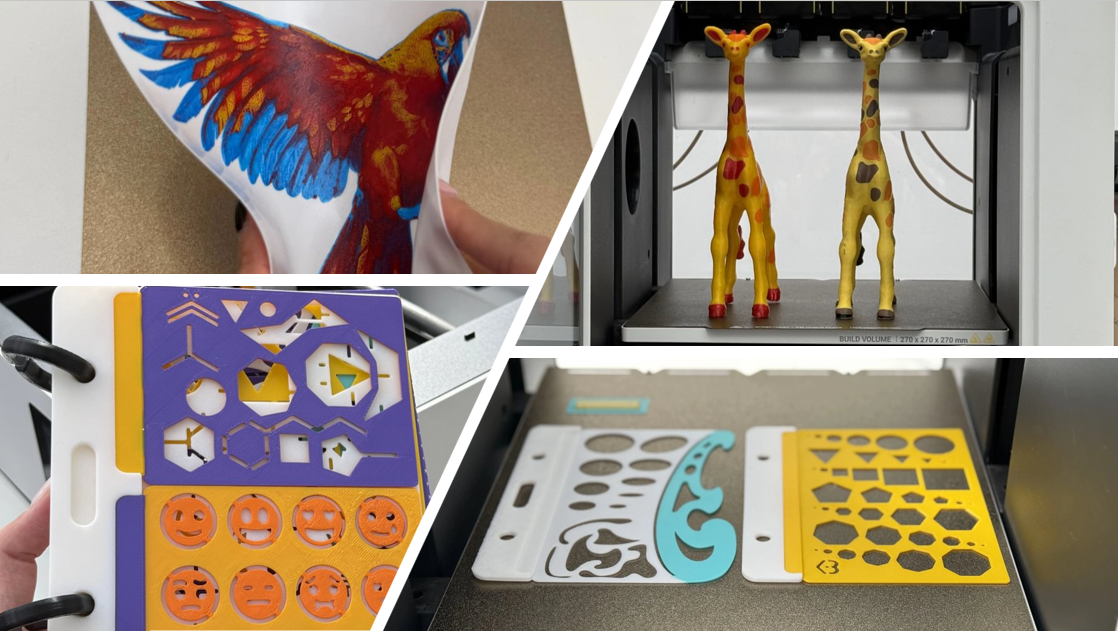
Trying to mix a squishy, flexible material like TPU with a rigid plastic like PLA through a single nozzle is asking for trouble. The constant, aggressive retractions required to swap materials mid-print almost guarantee that the flexible filament may increase the risk of jams or feeding issues. Worse, to prevent colors and materials from bleeding into each other, single-nozzle systems are forced to build massive "wipe towers"—purging huge amounts of expensive plastic straight into the trash.
How Independent Extrusion Paths Fix This
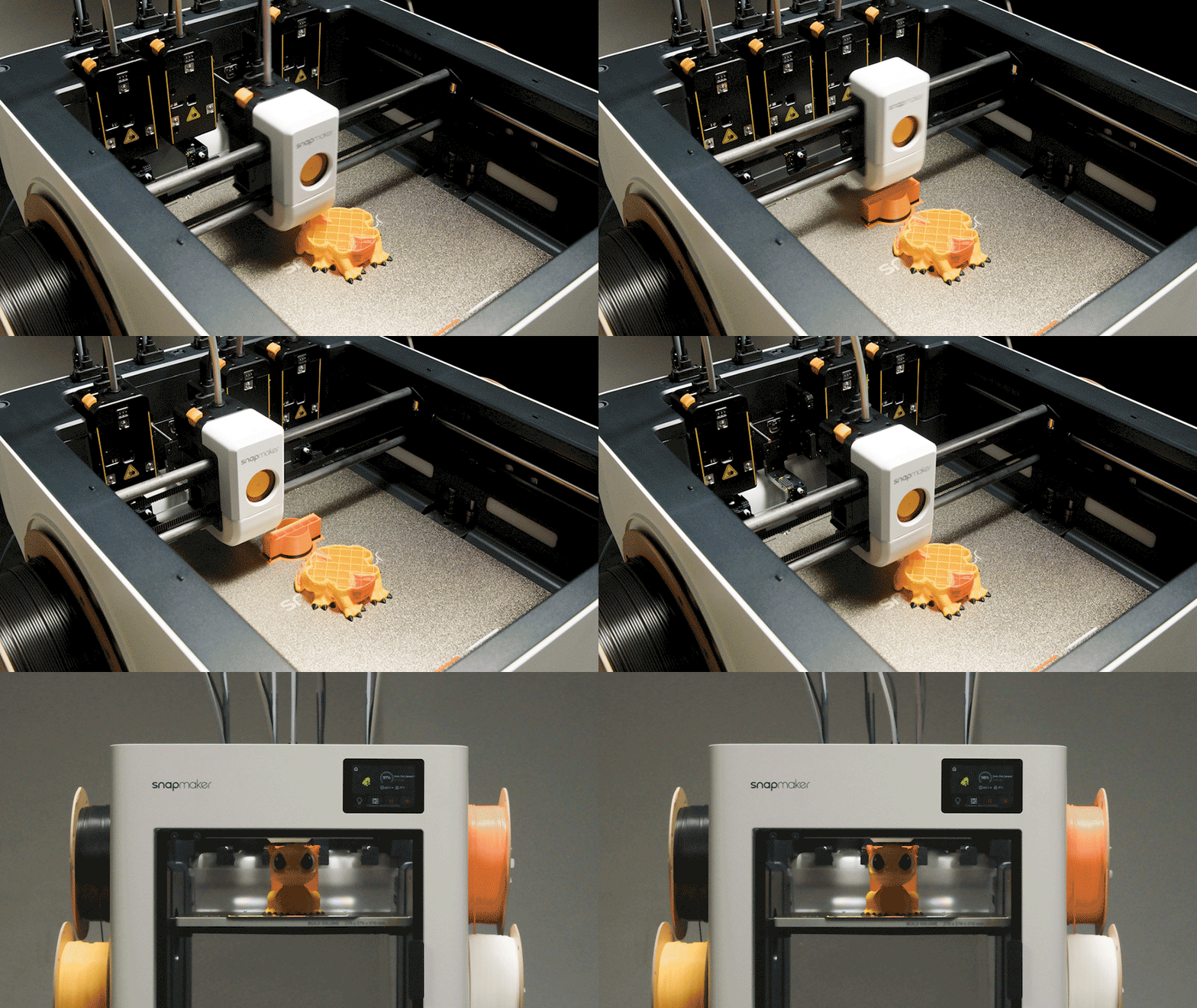
Independent toolhead systems solve this by giving each material its own dedicated extrusion path. By eliminating the need for constant material swapping through a single hotend, you completely negate material cross-contamination and the need for wasteful purge blocks. One example is the Snapmaker U1, which utilizes the SnapSwap™ 4-Toolhead System to seamlessly shift between physically separate extruders.
Real-World Hybrid Prints
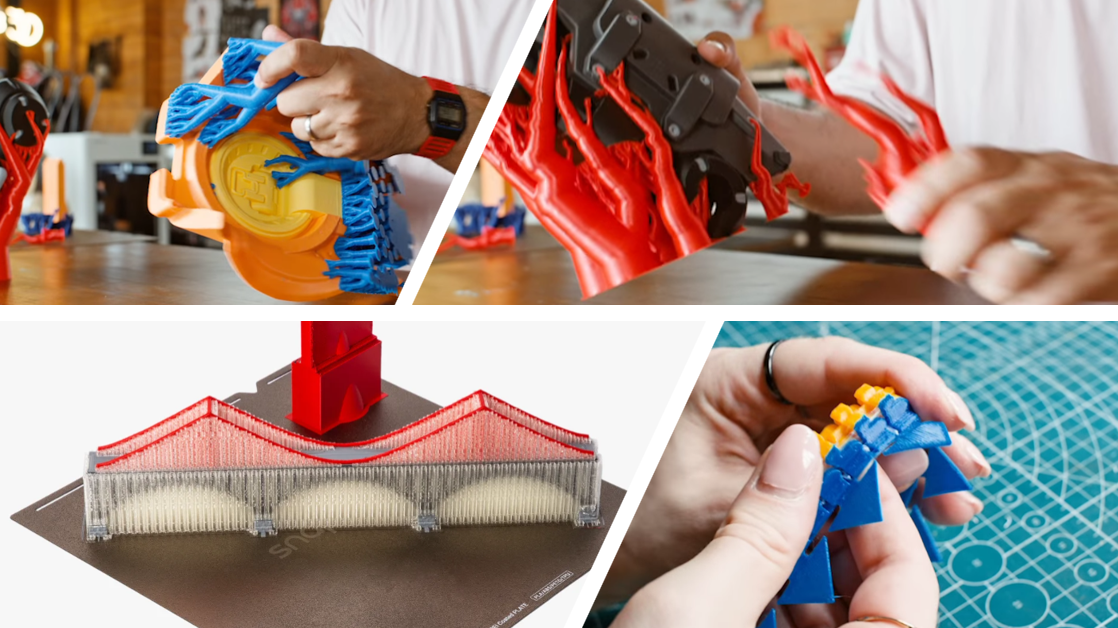
Having independent extrusion paths transforms your printer into a complex manufacturing tool for advanced multi-material 3D printing.
- Wearables without the Mess: You can print a highly shock-absorbent shoe sole using advanced foaming TPU, while simultaneously using a cheap PLA toolhead to build the support structures. When it’s done, the rigid PLA snaps cleanly off the soft TPU by hand—no glue, no scalpels, no messy bridging.
- Composite Fashion: Designers can print a rigid, load-bearing PETG skeleton for a luxury handbag, and seamlessly overlay it with a buttery-soft TPU skin in a single print job.
- Zero-Waste Soluble Supports: Complex mechanical prototypes often require PVA (water-soluble) supports for intricate internal voids. Because independent toolhead systems significantly reduce purge waste, you can use expensive PVA precisely where you need it without flushing half the spool into a waste bin.
4 Things You Should Never 3D Print (Safety & Liability)
Just because you have the power to manufacture objects doesn't mean you should ignore physics, biology, or the law. Keep your printer out of these four danger zones:
1. Food Containers & Cookie Cutters (Without FDA Sealing)
It doesn't matter if your PLA spool says "non-toxic." FDM printing works by stacking layers, which inherently creates microscopic crevices. These microscopic layer lines act as luxury condos for E. coli and Salmonella. That 3D printed cookie cutter you made for the holidays? It's impossible to truly sanitize. Furthermore, cheap brass nozzles can leach lead at high temperatures. Unless you are sealing the final print in an FDA-approved food-grade epoxy, keep 3D-printed plastic out of your kitchen.
2. Structural Safety and Load-Bearing Gear
Never print a bike helmet, a rock-climbing carabiner, or crucial automotive suspension components. FDM prints suffer from uneven layer adhesion. Under sudden, high-impact stress, a 3D printed part won't just bend—it will suffer catastrophic, unpredictable brittle failure, leading to severe injury.
3. High-Voltage Electrical Enclosures
Standard filaments do not have certified dielectric strength ratings or flame-retardant properties. If a high-voltage short circuit occurs, your printed enclosure will rapidly soften, warp, and potentially act as highly combustible fuel for an electrical fire. Leave main-line voltage enclosures to UL-certified injection-molded plastics.
4. Firearms, Medical Devices, and Counterfeits
The decentralized nature of 3D printing does not grant immunity from federal law. Printing ghost-gun components, counterfeit currency molds, or copying government ID features is a serious criminal offense. Similarly, printing invasive medical devices without ISO-certified sterilization and biocompatibility testing is a massive legal liability.
Frequently Asked Questions About 3D Printing (FAQ)
Can you make money with a 3D printer?
Yes. Many makers earn extra income by selling custom products like miniatures, planters, cosplay props, and tool organizers on Etsy and Shopify. The key to profitability is finding a niche, optimizing your print settings to reduce failed prints, and keeping material costs low.
What is the most useful thing to 3D print?
Cable management clips and drawer organizers are universally considered the most useful products. They fix immediate daily friction points, cost almost nothing in filament, and can be customized to fit your exact desk dimensions.
What can beginners print with a 3D printer?
Beginners should start with support-free, print-in-place models. Simple phone cases, desktop phone stands, bookmarks, and basic fidget toys are highly forgiving and build confidence without requiring complex slicer settings.
Is 3D printing expensive?
No, the material costs are surprisingly low. A standard roll of high-quality PLA or PETG filament costs around $15 to $20, which is enough to print dozens of small to medium-sized objects, making the cost per part incredibly cheap.
What should you not print with a 3D printer?
You should never print load-bearing safety equipment, high-voltage electrical enclosures, unsealed food-contact items (like cups or cookie cutters), and anything that violates federal weapons or counterfeiting laws.
Conclusion: Start Building Your Project Library
Getting your 3D printer perfectly dialed in will inevitably involve some frustrating calibrations and a small graveyard of failed plastic boats. But the moment you pull a perfectly fitting custom bracket off the bed to solve a problem in your home, or successfully execute a complex TPU and PETG hybrid print using a multi-toolhead system, you'll realize the effort is entirely worth it. Fire up your slicer, download a file, and start taking control of the physical world around you.