













Made for Everyday Living
From organizers to home decor, create useful items that fit your space and needs.
Home Use Project Showcase
Create a home that works better for you, with printed organizers, decor, and personalized tools[1].

Gradient Vase
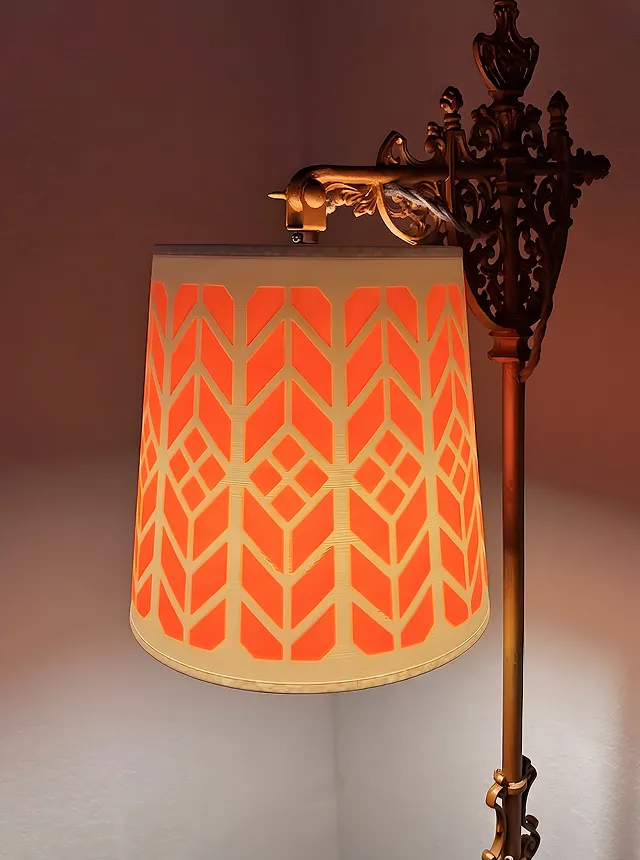
Lampshade

Gradient Easter Eggs

The Flying House

Pooh Bear Soap Holder
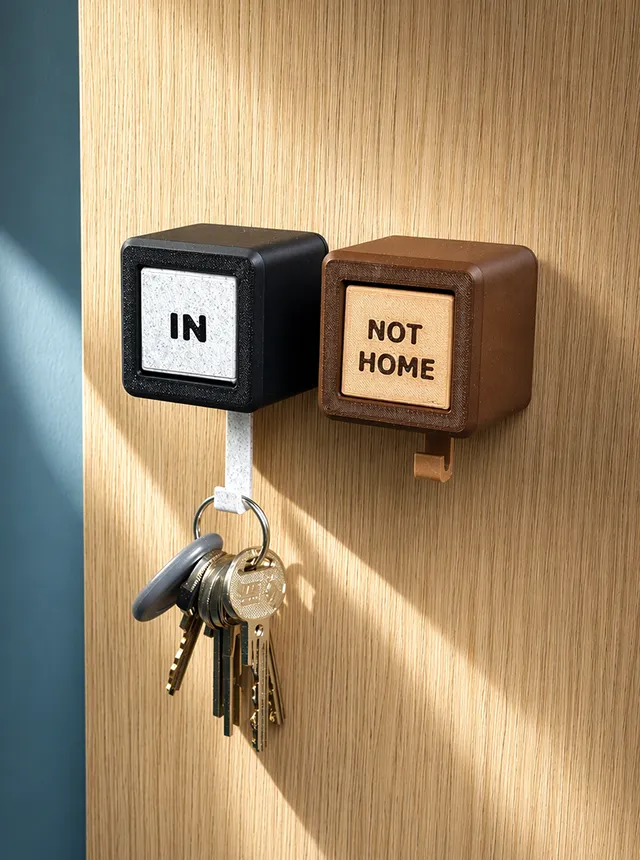
Key Hanger

Bird Station

LEGO Toilet Paper Transporter
See How Much You Can Save
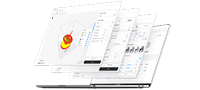
Compare material waste and filament costs based on your own printing habits, and see how much you could save with Snapmaker U1.

Create More for Your Home
Create more for your home with less noise, less waste, and more material flexibility.


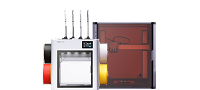
Get Started with Snapmaker U1
- 5X More Speed. 5X Less Waste.
- SnapSwap™ 4-Toolhead System with 5s Tool Change
- Multi-Color & Multi-Material Printing
- Smooth Printing with Smart Calibration
See What Others Are Creating
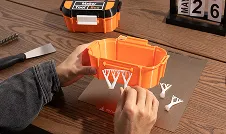
Track real projects from initial idea to final print, and discover how practical home creations come to life.








Notes:
[1] Printed creations are from actual users. As real-world printing parameters vary, print duration, material consumption and other relevant data for the illustrated cases may differ with different settings. "Others" refers to 3D printers that use a filament changer to swap materials.
[2] The average number of color changes per layer is calculated by dividing the total number of color swaps in the print job by the total number of layers. A higher value indicates more frequent swapping and greater purge waste. Factors influencing this include the color count, their layout, model height, and layer height. This calculator assumes a default layer height of 0.2 mm, but other values can be estimated manually or retrieved from slicer software.
[3] The average weight of purge waste per swap is calculated by dividing the total purge waste (by weight) by the number of swaps. This depends on color count and layout (dark-to-light swaps require more purging to avoid color contamination) and the purge multiplier set in the slicer (higher values lead to more purge material consumed). You can use slicer software to retrieve the total purge waste and swap count of your print, then select the closest estimated value in the dropdown menu.
[4] The average color swap count per layer and weight of purge waste per swap used in this calculator are based on typical values from Snapmaker testing. Actual slicing results may vary depending on model geometry, color layout, and print settings. All calculations are for reference only.