When Is the Best Time to Buy a 3D Printer?

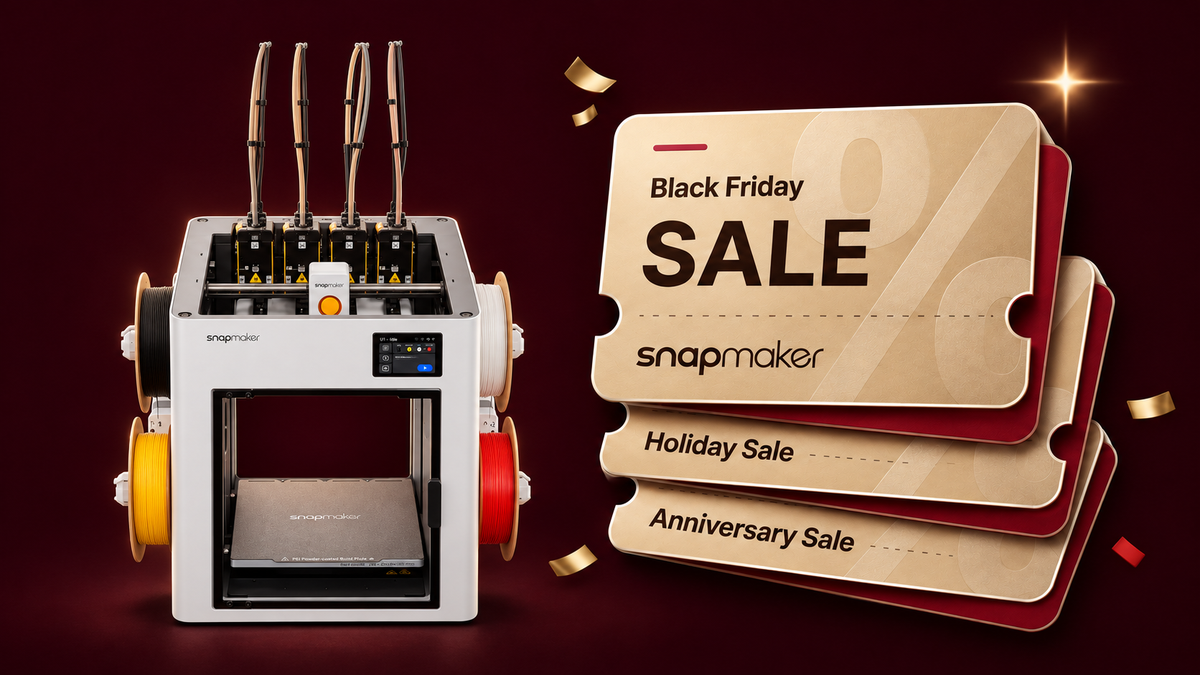
If your schedule is flexible, November is a good month to buy a 3D printer. Black Friday and Cyber Monday give you a chance to compare offers on the same model across retailers and the manufacturer’s store. If you want a printer earlier in the year, check Prime Day, manufacturer anniversary sales, and back-to-school promotions. Christmas sales give you another opportunity if you miss November.
Whether it’s worth waiting depends on what you’d gain. If the printer you want already fits your budget in June and you have a summer’s worth of projects lined up, buying during an anniversary sale can make more sense than waiting until November. If your current machine handles those projects just fine, you can afford to be more selective about an upgrade.
When do 3D printers go on sale?
Do 3D printers go on sale for Black Friday?
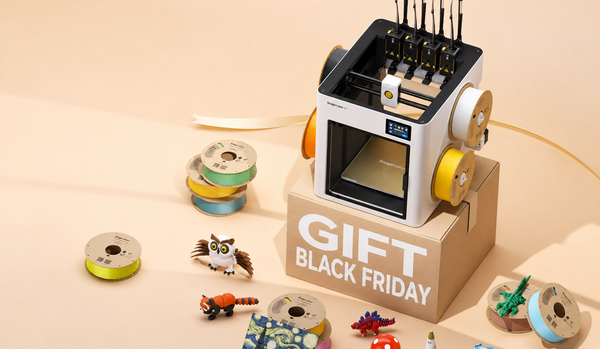
Yes. Depending on the model, a Black Friday offer might lower the price of the printer itself or include filament and accessories at a discount. If you already know you want a Snapmaker, you can compare the options in our Black Friday 3D printer shopping guide.
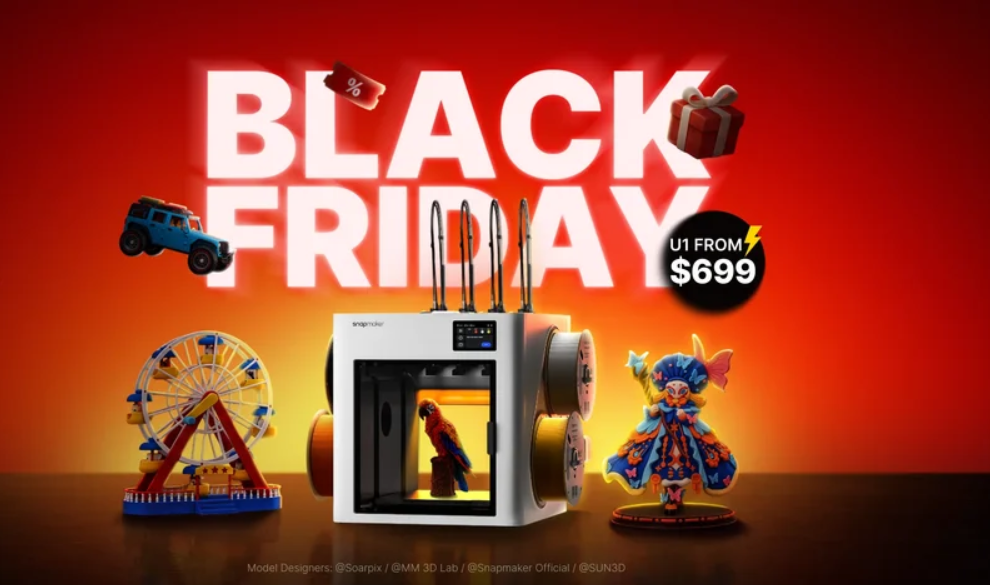
If an offer starts early, should you buy now or wait for Cyber Monday? Check the seller’s announced terms for the exact model. A lower price scheduled for Monday gives you a reason to wait. If the same offer covers both days, you can order on the day that works for you. When the seller hasn’t announced a later price, weigh the offer you can get against the benefit of taking delivery sooner.
Is Christmas a good time to buy a 3D printer?
December is worth checking if you missed Black Friday. There is a Christmas sale. Which products qualify and how the bundles compare with November’s offers can vary.
Christmas shoppers have two different deadlines. If the printer is the gift, check when the box will arrive and how long the recipient will have to open and test it under the seller’s return policy. If you’re using the printer to make gifts, work backward from the finished pieces. A dozen personalized ornaments leave little room to discover on Christmas Eve that the lettering is too small. Allow time for a sample, a design adjustment, and the remaining batch. If you’re still deciding what to make, browse these 3D printed Christmas gift ideas.
When is it worth buying earlier in the year?
If you’re shopping in spring or summer, look at the manufacturer’s calendar. For someone setting up a summer workshop, that was a chance to compare an actual offer months before Black Friday. Check the dates for the brand you’re considering, since each sets its own schedule.
On Prime Day, open the retailer’s listing and the manufacturer’s listing side by side. Check the model name, included hardware, seller, and delivered price. A lower-priced listing can be the better buy if the base machine does everything you need. If it needs an add-on that comes standard in the other listing, include that cost before you decide.
For a school or makerspace, the first class gives you a firm deadline. During a back-to-school promotion, check whether you qualify for education pricing and whether the printer can arrive early enough to test the lesson’s model. Finding out that a classroom print takes two sessions instead of one is much easier before students arrive.
What to look for in a 3D printer deal beyond the price tag
A discount you can verify. Once you’ve shortlisted a printer, save its price, configuration, and seller. When a sale begins, compare the new total with what you could have paid for that same setup before the event. This is especially helpful when one listing advertises a large percentage off and another simply posts a lower price.

Accessories you would buy separately. A fine nozzle may be worth paying for if you print miniatures with tiny lettering. If you mainly make large desk organizers with the standard nozzle, put that money toward the filament you’ll use. Apply the same test to a bundle of colors: would you choose those spools individually for the projects on your list?
Terms that affect when to order. If another sale is close, look up the price protection terms for the seller and model. Check how long you have to make a claim and whether you’d receive a refund or store credit. If you rely on the printer for classes or customer orders, also check the availability of replacement parts. A modest upfront saving may be worth less to you than being able to replace a hot end before the next job.
How to compare 3D printers from different brands during a sale

Start with a part you expect to print often. A drawer organizer gives you a specific dimension to check: can each machine print it in one piece? A batch of two-color signs raises a different question: how often would you need to change filament by hand, and what does each printer need to automate those changes? If you’re still narrowing your shortlist, our 3D printer buying guide explains how to match a machine to the parts you want to make.
Now compare two setups that can do the same job. The prices below are hypothetical and illustrate a purchase for someone who wants automatic color changes. Both setups include the same filament and free shipping.
For someone making batches of two-color signs, Printer B saves $40 and includes the capability they need. Change the project to single-color organizers and the choice flips. Printer A can skip the $130 add-on. Even with the same $40 filament budget, it comes to $430, or $90 less than Printer B.
If the totals are close, use the difference you’ll notice after the sale to break the tie. Someone printing occasional signs might be happy to change filament manually. Someone producing them every week has more reason to pay for automation. And if one printer is backordered, check its estimated arrival against your first project date. A lower price is worth waiting for when the machine fits your work and you’ll still have time to use it.