How Much Is Filament for a 3D Printer? (2026 Pricing & Waste Guide)

It is the first question every maker asks after following a 3D printer buying guide and unboxing their machine: “How much is this going to cost me to keep running?” While the printer itself is a one-time investment, filament is the "fuel" for your creativity. It can be frustrating to find a perfect 3D model only to realize the material costs might exceed your budget—or worse, to buy "cheap" filament that ends up clogging your nozzle and wasting your weekend.
In 2026, the average price for a standard 1kg spool of 3D printer filament is between $18 and $25. However, the "sticker price" on the box doesn't tell the whole story. To truly understand your costs and the sustainability of your hobby or business, you have to look at material types, manufacturing quality, and the often-overlooked factor of material waste.
Typical 3D Printer Filament Price Ranges by Material
Not all plastics are created equal. The type of filament you choose will be the biggest driver of your ongoing expenses.
1. Standard Materials ($15 – $30 per kg)
These are the "daily drivers" of the 3D printing world. If you are just starting with 3D printing ideas for beginners, you’ll likely live in this bracket.
|
Material Type |
Average Price (1kg) |
Best For & Characteristics |
|
PLA |
$18 – $24 |
Biodegradable and easy to handle. Best for general models, beginners, and decorative items. Offers a wide range of colors and a great finish. |
|
PETG |
$20 – $26 |
Chemical and thermal resistance. Ideal for durable mechanical parts and food-safe applications. |
|
ABS |
$17 – $23 |
High durability. Petroleum-based plastic ideal for functional parts. Prone to shrinking and produces fumes, requiring an enclosed printer and heated bed. |
2. Performance & Aesthetic Materials ($30 – $60 per kg)
When you need specific properties—like flexibility, extra strength, or a "Silk" shine—the price climbs because these are often hybrid materials.
- TPU (Flexible): Usually $35–$50 per kg. Essential for printing rubber-like parts.
- ASA: $35–$45 per kg. Similar to ABS but UV-resistant for outdoor use.
- Nylon: $45–$65 per kg. High strength and extreme wear resistance.
3. Industrial & Specialty Materials ($70 – $150+ per kg)
These materials are often used in rapid prototyping or professional engineering.
- Carbon Fiber Infused: $60–$90 per kg. Adds incredible stiffness and a beautiful matte finish.
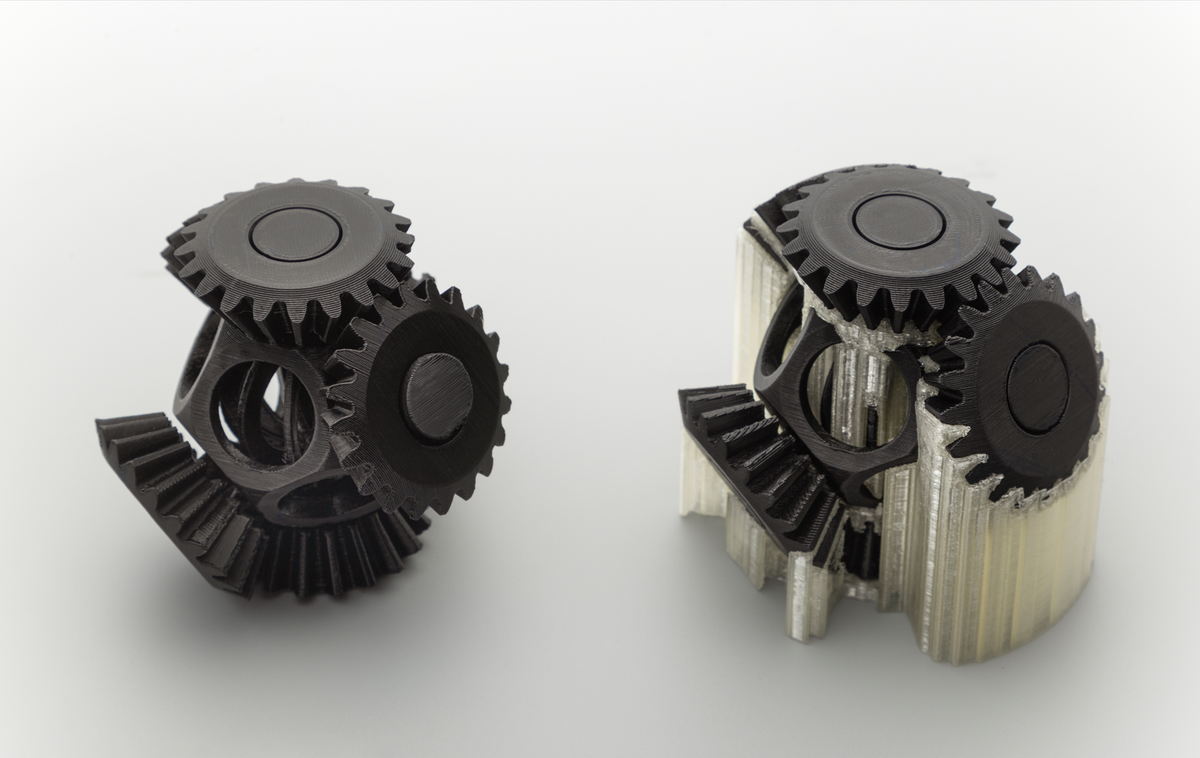
- PVA (Dissolvable): $80–$120 per kg. Used for complex supports that wash away in water.
Why Does 3D Printer Filament Vary So Much in Price?
You’ll often see two spools of PLA that look identical, but one is $15 and the other is $30. Here is what you are paying for in that price gap:
Dimensional Accuracy
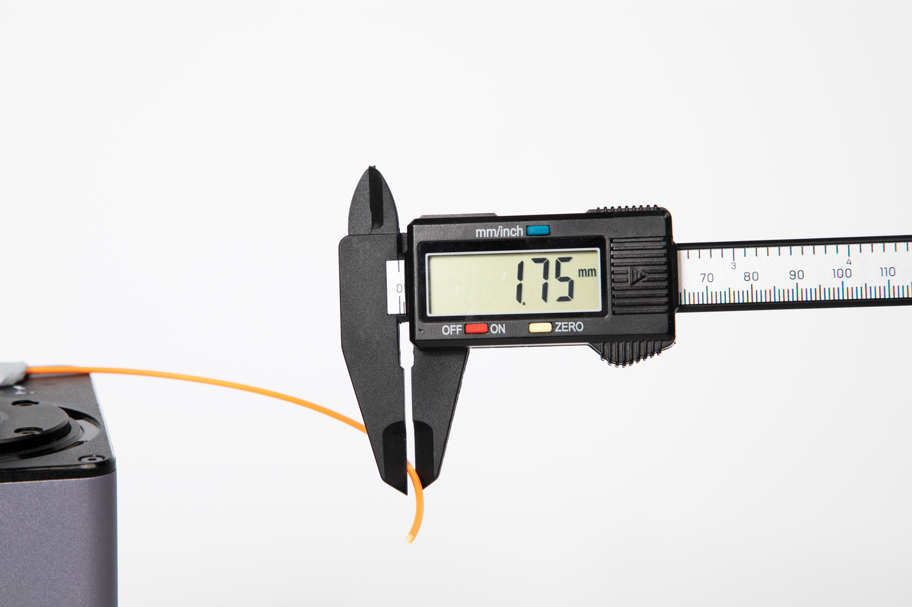
Cheaper filaments often have a tolerance of ±0.05mm. Premium brands guarantee ±0.02mm. While this seems small, inconsistent filament diameter is the leading cause of under-extrusion and failed prints.
Raw Material Purity and Additives
High-quality filament uses "virgin" polymers (brand-new, pure plastic). Low-cost manufacturers may use recycled plastics or "fillers" that melt at inconsistent temperatures, leading to clogged nozzles and poor first-layer adhesion. While $15 spools are tempting, it is generally recommended to avoid the absolute cheapest brands to ensure a smooth printing experience.
Brand Ecosystems (Proprietary vs. Open-Source)
Some printer manufacturers lock you into proprietary filament cartridges, which often carry a premium price tag. Using open-source, third-party filaments gives you access to a wider range of price points and materials, driving the average cost down.
Spooling & Packaging
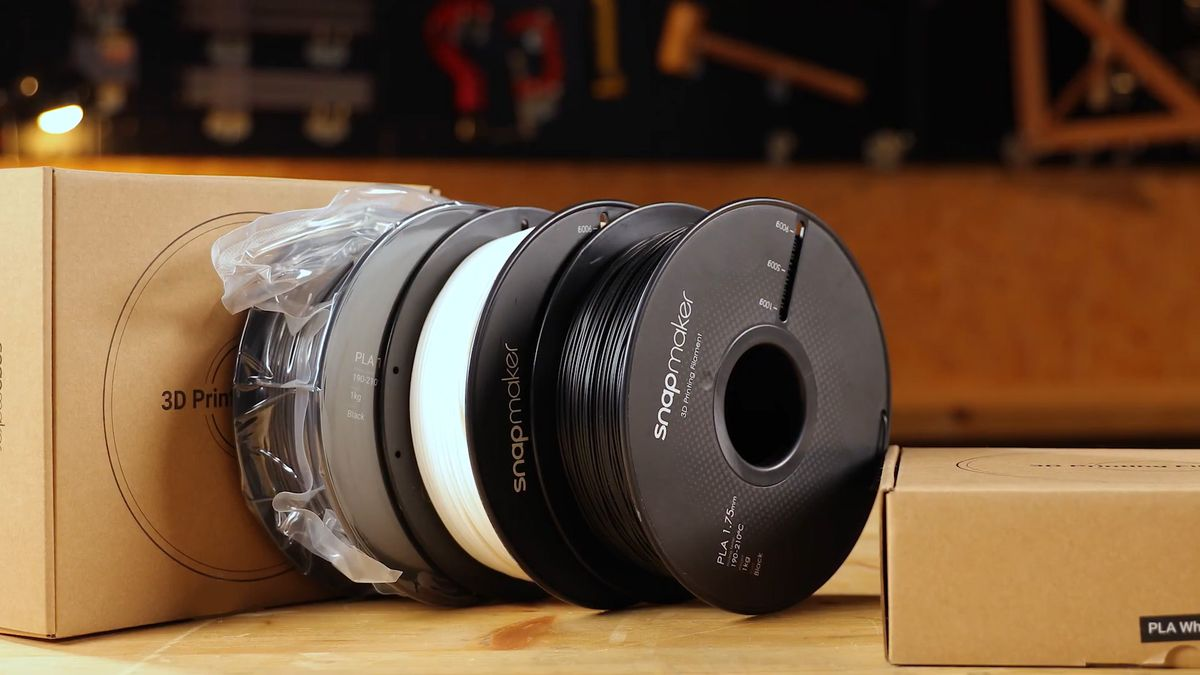
Properly "neat-wound" spools prevent tangles mid-print. Additionally, because many filaments are hygroscopic (they absorb water), premium brands invest more in high-quality vacuum sealing. If your filament gets wet, you'll need to invest in moisture prevention to save the roll.
Are You Paying for the Spool? (Refills vs. Full Spools)

When you buy filament, you are often paying for the rigid plastic spool it comes wrapped around. Many manufacturers now offer "refills" (a coil of filament without the spool) designed to slide onto a reusable master spool. Choosing a spool-less refill typically shaves $3 to $5 off the price of every kilogram you buy. Over the course of a year, switching to refills not only lowers your material cost but also significantly reduces your plastic waste.
Calculate What You Actually Pay for Filament
When budgeting, most people only look at the cost of the spool. To get an accurate calculation of your 3D printing costs, you must account for what doesn't end up in the final model.
1. Budget for Failed Prints
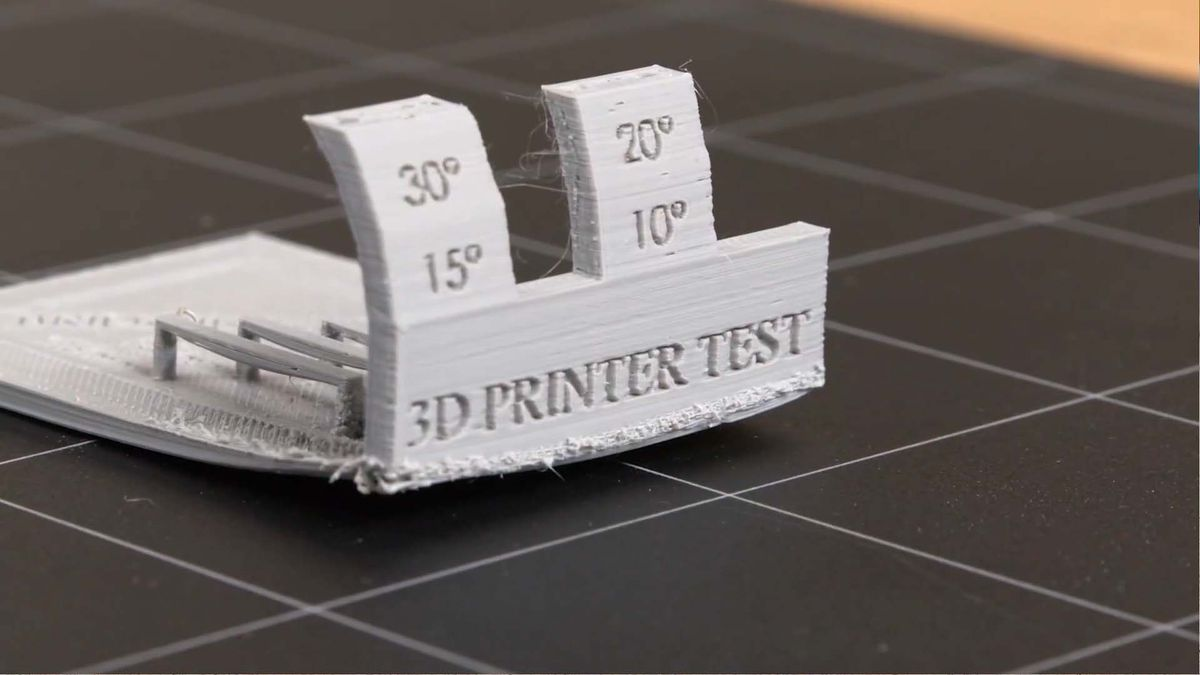
If a $20 spool has a 10% failure rate due to poor quality or warping, your effective cost is $22 per kg. Reliability saves money in the long run.
2. Factor In Support Structures

Complex geometries require supports. Depending on the model, 10% to 30% of your filament might end up as support structures that are thrown in the trash. Using tree supports can help minimize this waste significantly.
3. Calculate Waste from Color Swaps

If you are interested in multi-material 3D printing, you are likely familiar with "purge towers" or filament "poop." Traditional single-nozzle systems must flush out the old color before starting the new one.
The Reality Check: In some multi-color prints, the purge waste can actually weigh more than the model itself. If you're using a $25 spool but purging 50% of it, you are effectively paying $50 per kg for your finished part.
Modern solutions, like the Snapmaker U1, address this through the SnapSwap™ system. By using four independent toolheads, it eliminates the need to "squeeze out" remaining material between color changes, enabling 5X less waste compared to traditional multi-color methods.
How to Calculate Your Cost Per Print
If you want to know exactly how much that 3D printed Christmas ornament or custom guitar pick costs, use this simple formula:
- Find your Cost Per Gram: Price of Spool / Weight (usually 1000g).
- Example: $22 / 1000 = $0.022 per gram.
- Check your Slicer: Programs like Snapmaker Orca will tell you the exact gram weight of your model (including supports and infill) after you slice it.
- Multiply: Weight of Model * Cost Per Gram.
Don't forget to factor in a small amount for electricity usage, though this is typically less than $0.05 per hour.
How to Lower Your Filament Expenses
- Shop Bulk Sales: Buying filament one spool at a time is the most expensive way to stock up. Many manufacturers offer tiered discounts when you buy multiple rolls at once. For example, Snapmaker offers scaling discounts where you can get 25% OFF on 4+ rolls, 30% OFF on 6+ rolls, and 35% OFF for 10+ rolls. If you run a business or print often, buying in bulk is the easiest way to significantly drop your cost per kilogram.
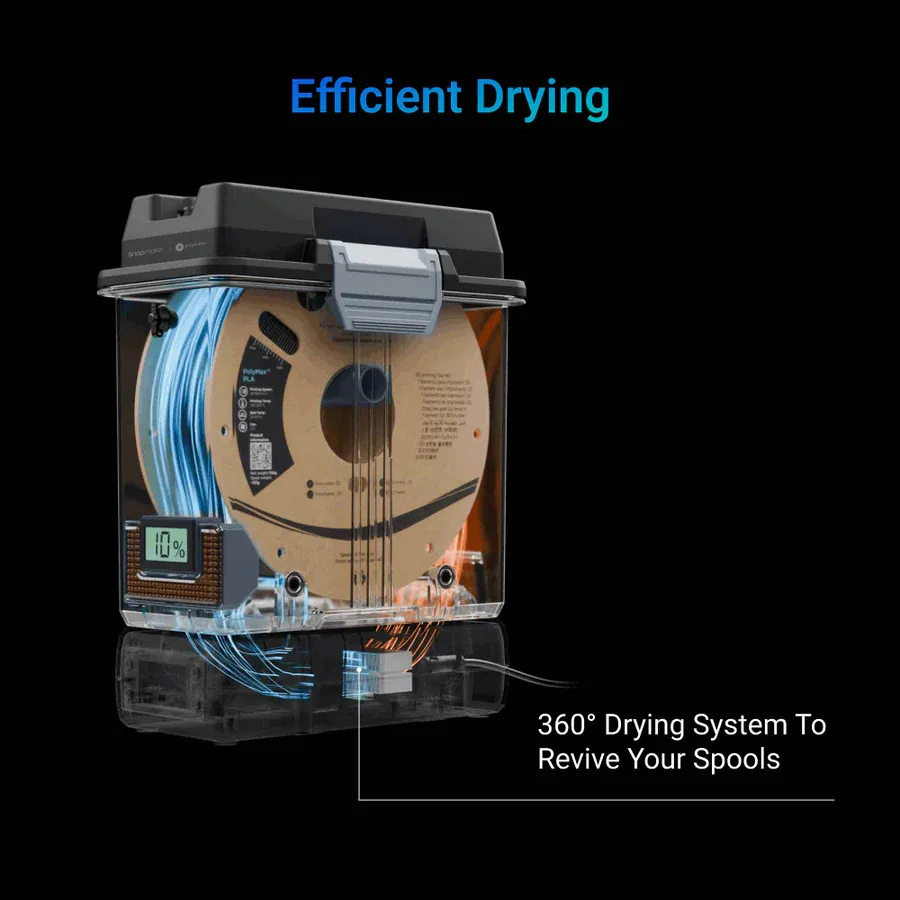
- Dry Your Filament: Before throwing away "bad" filament that is stringing, try drying it. Especially with materials like TPU, moisture is often the only issue. (TPU Drying Temperature)
- Optimize Infill: You rarely need 100% infill. Most useful things to 3D print are perfectly strong at 10-15% infill.
- Calculate Your Waste: Use a Purge Waste Calculator to see if your current setup is "eating" your hobby budget.
FAQ: Common Questions About Filament Costs
How much does 1 gram of filament cost?
On average, 1 gram of standard PLA costs about $0.02. A typical smartphone stand weighs about 40g, meaning it costs roughly $0.80 in raw material.
Does filament expire or go bad?
Filament doesn't "expire" like food, but it does degrade. PLA can last years if kept dry, but if exposed to high humidity, it becomes brittle and unprintable within months.
How many 3DBenchys can I print with 1kg?
A standard 3D Benchy uses about 13g of filament. You can print approximately 75 Benchys from a single 1kg spool.