What Materials Can Be 3D Printed? A Complete Industry Guide (2026)


In the early days of additive manufacturing, the question "what can you 3D print?" had a short, somewhat disappointing answer: brittle, monochromatic plastic. The industry was defined by the limitations of the machine—wobbly frames and inconsistent hotends that struggled to melt anything more robust than a simple PLA toy.
But as we settle into 2026, the landscape of 3D printing materials has shifted from a novelty to a genuine industrial revolution that fits on a desktop. The barrier between "prototyping" and "final production" has dissolved. The modern maker is no longer limited to drafting simple shapes in plastic; we are now in the era of the "prosumer" machine—devices capable of handling materials that were once the exclusive domain of aerospace engineers. From carbon-fiber-infused nylons that rival aluminum in strength to conductive inks and even sintered metals, the material ecosystem has exploded.
Whether you are an architect modeling a brutalist structure, an engineer prototyping a high-heat engine component, or a designer creating bespoke homewares, the material you choose now dictates the function, not just the form. This guide explores the five pillars of the modern 3D printing material library: Polymers, Metals, Composites, Bio-materials, and Supports.
1. Plastic Polymers: The Most Common 3D Printing Materials
While exotic materials grab the headlines, plastic polymers remain the workhorses of the industry. However, calling them "just plastic" does a disservice to the sophisticated chemistry at play. The modern polymer market is segmented by function: aesthetic, mechanical, and industrial.
Standard Thermoplastics (PLA & ABS)
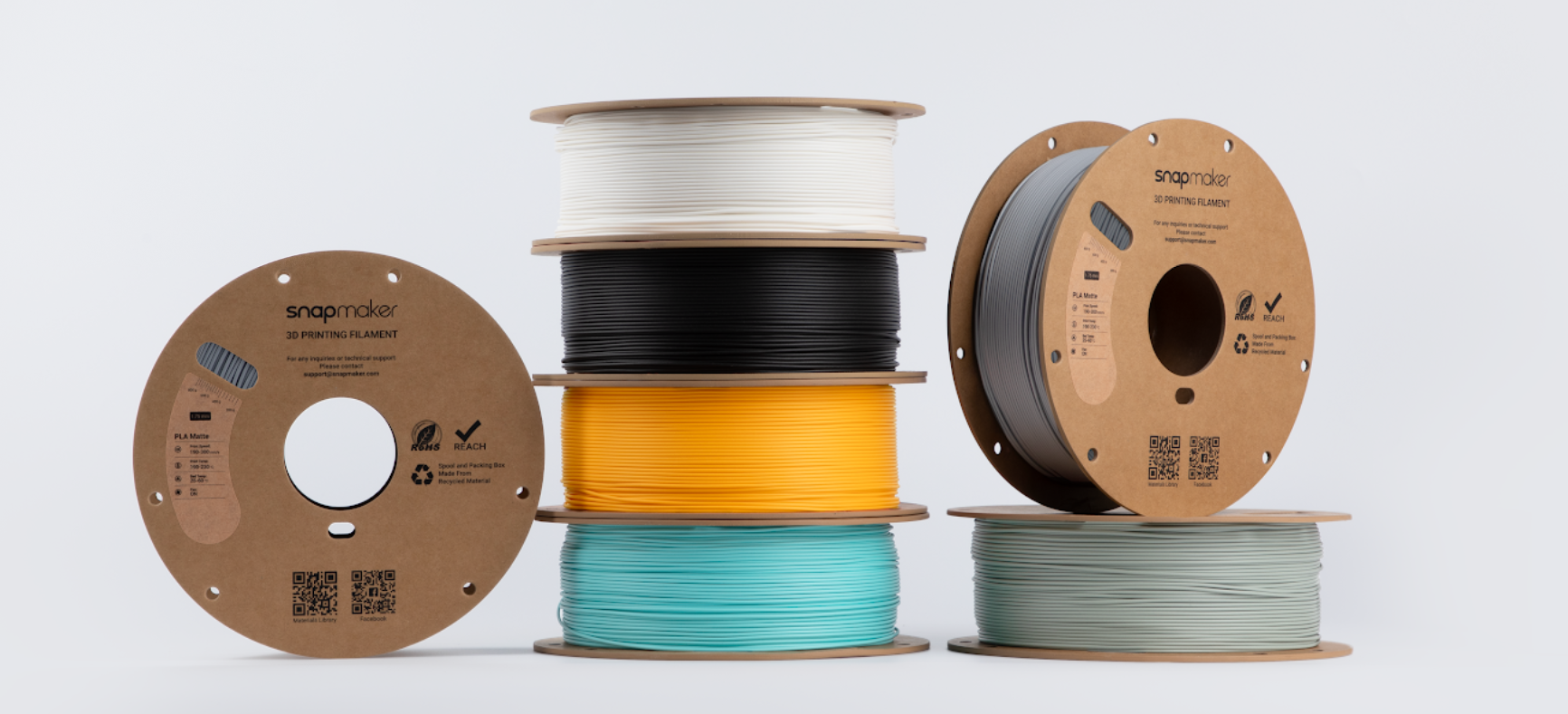
Polylactic Acid (PLA) remains the lingua franca of 3D printing. Derived from organic sources like cornstarch, it is favored not just for its biodegradability but for its immense forgivingness. In the context of home decor, PLA has evolved beyond the glossy, toy-like finish of the past. We are seeing "Silk," "Matte," and "Marble" variants that hide layer lines so effectively that a printed vase looks less like a tech demo and more like glazed ceramic. It is the material of choice for visual prototyping—where the look is paramount, and thermal resistance is secondary.
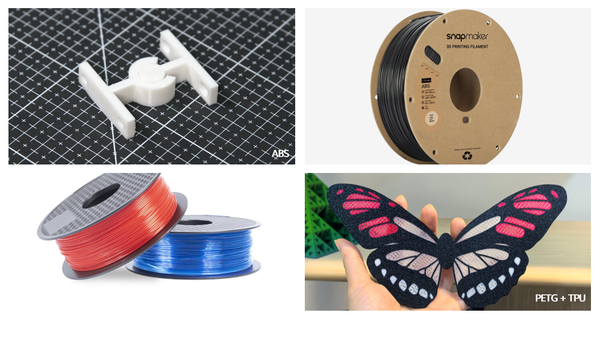
Acrylonitrile Butadiene Styrene (ABS), the plastic of LEGO fame, represents the first step into functional engineering. It is tough, impact-resistant, and capable of withstanding significantly higher temperatures than PLA. However, ABS has a temperament. It demands a controlled environment; a draft of cool air can cause a print to warp or delaminate mid-production. This is where the hardware ecosystem matters—machines equipped with a dedicated Enclosure are essential here, trapping heat to ensure the material settles stress-free. For outdoor applications, ASA (Acrylonitrile Styrene Acrylate) is quickly replacing ABS, offering the same mechanical strength but with UV stability that prevents it from yellowing or becoming brittle under the summer sun.
High-Performance Engineering Plastics (PETG, PEEK, Nylon)
If PLA is for looking, PETG (Polyethylene Terephthalate Glycol) is for doing. It is the translucent, durable plastic found in water bottles, prized in printing for its layer adhesion and slight flexibility. It doesn't shatter; it yields. This makes it ideal for snap-fits, functional containers, and parts that need to survive the occasional drop.
Ascending the hierarchy, we reach PEEK and Nylon (Polyamide). These are the heavyweights. Nylon is notoriously hydroscopic—it drinks moisture from the air—but when printed correctly, it offers low friction and high tensile strength, perfect for gears and hinges. PEEK is an even rarer beast, used in medical implants and aerospace for its ability to survive extreme thermal and chemical environments. Printing these materials requires a hotend capable of reaching 300°C+, a feature that distinguishes serious manufacturing tools from entry-level hobbyist machines.
Flexible Materials (TPU & TPE)
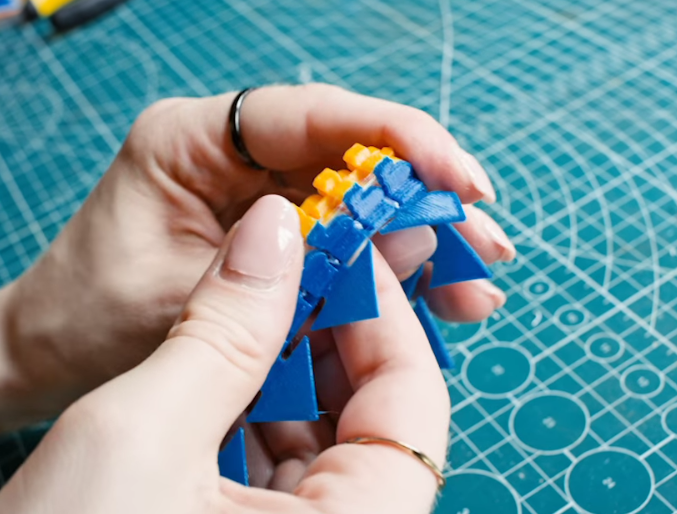
Rigidity is not always the goal. TPU (Thermoplastic Polyurethane) bridges the gap between plastic and rubber. With a shore hardness ranging from a hard hat to a gel insole, TPU allows for the creation of gaskets, vibration dampers, and custom phone cases.
Printing flexibles was once a nightmare of jammed nozzles, but the widespread adoption of Direct Drive Extruders has tamed the process. By shortening the path between the motor and the nozzle, modern printers can push these noodle-like filaments with precision, opening up new avenues for wearable technology and soft robotics.
2. Metal Alloys: 3D Printing with Steel, Titanium, and Aluminum

The most significant shift in the last five years has been the democratization of metal. Previously, metal 3D printing (DMLS/SLM) required a laser-sintering machine the size of a minivan and a facility equipped to handle explosive powders. Today, the process is far more accessible.
Industrial Metal Powder (DMLS)
In high-end aerospace and medical sectors, Direct Metal Laser Sintering (DMLS) is still king. A laser fuses layers of titanium or Inconel powder in an inert gas chamber. The results are fully dense, flight-ready parts. While impressive, this remains out of reach for the average studio due to the immense cost and safety requirements.
Desktop Metal Printing (Bound Metal Deposition)
The game-changer for independent designers is Metal-Filled Filament (such as BASF Ultrafuse 316L). This material is a clever Trojan horse: it looks like a spool of plastic, but it is actually metal powder bound in a polymer wax.
You print the part on a standard desktop FDM printer equipped with a hardened nozzle—no lasers required. The result is a "Green Part," which is brittle and slightly larger than the final design. This part is then sent to a debinding and sintering facility (often just a mail-away service). The heat burns away the polymer binder and fuses the metal particles, returning a solid, 100% stainless steel part. This workflow allows small studios to produce custom metal watch buckles, tooling fixtures, or jewelry without a six-figure capital investment.
3. Composite Materials: The Best of Both Worlds
Composites are where aesthetics meets engineering. By suspending solid particles inside a plastic matrix, manufacturers can imbue filaments with the properties of wood, stone, or carbon fiber. This allows for parts that look and feel like natural materials, or perform like advanced composites.
Reinforced Plastics (Carbon Fiber & Glass Fiber)
Carbon Fiber Nylon is perhaps the most sought-after material for drone enthusiasts and automotive prototypers. The chopped carbon fibers suspended in the nylon matrix prevent the plastic from stretching, resulting in parts with immense stiffness-to-weight ratios. It is lighter than aluminum but strong enough to replace metal brackets in many applications.
However, these fibers are microscopic abrasives. Running a spool of Carbon Fiber Nylon through a standard brass nozzle is like taking sandpaper to it; the nozzle will widen and ruin the print quality within hours. This material necessitates a Hardened Steel Nozzle, a simple upgrade that unlocks industrial-grade capability.
Aesthetic Composites (Wood, Stone, & Glow-in-the-Dark)
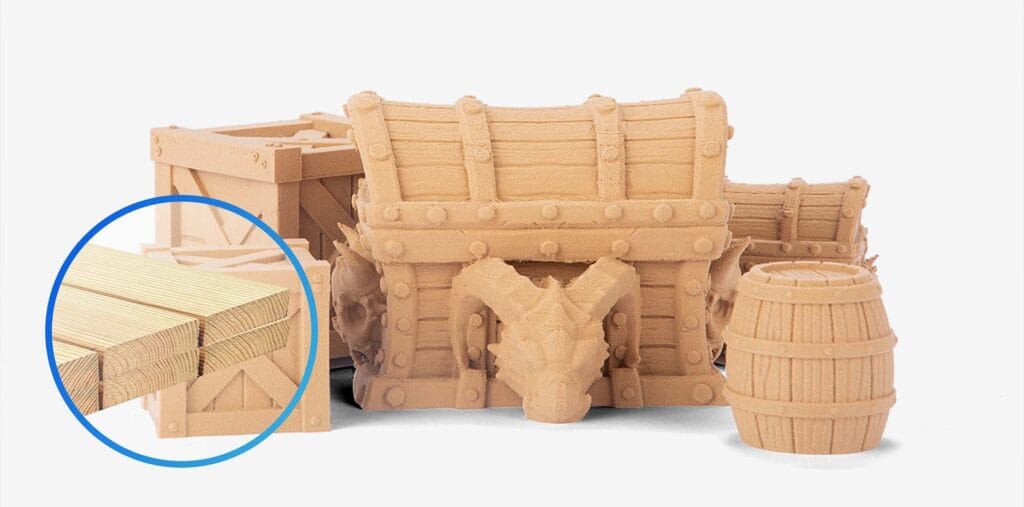
On the softer side of design, Wood-filled PLA contains actual sawdust (often up to 30%). The resulting prints smell like maple syrup while hot and can be sanded, stained, and varnished just like real timber. Similarly, stone-filled filaments mimic the matte, grainy texture of sandstone or marble, ideal for architectural models that need to convey mass and permanence without the weight.
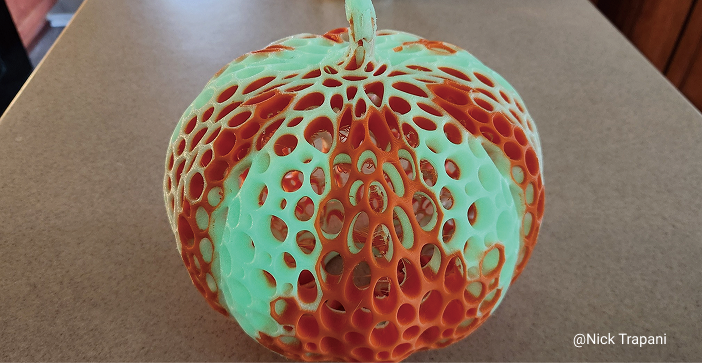
Designers have also embraced "Glow-in-the-Dark" and "Conductive" filaments for niche applications, though like their carbon-fiber cousins, these additives are abrasive and demand durable hardware.
4. Biological and Edible Materials: The Future of 3D Printing
While less common in the home workshop, the bio-sector drives some of the most exciting material science, pushing the boundaries of what "printing" actually means.
Bioprinting with Living Cells
In 2026, we are moving beyond simple scaffolds. Research labs use pneumatic extrusion printers to deposit hydrogels laden with living stem cells. These structures mimic the extracellular matrix of human tissue, allowing for the growth of skin grafts and cartilage. While you won't be printing a replacement liver in your garage this year, the technology uses the same XYZ-movement logic as a standard desktop printer, proving that the hardware is just a vessel for the material.
Edible 3D Printing
The culinary world has embraced extrusion for precision. Chocolate, sugar pastes, and even plant-based meat substitutes are printed to create textures and geometries impossible to achieve by hand. High-end patisseries use modified printers to create intricate chocolate lattices that crumble perfectly on the tongue. It is a niche, but one that highlights the versatility of the extrusion process.
5. Support Materials: Soluble Filaments for Complex Geometries
A 3D printer cannot print in mid-air. This physical limitation restricted design freedom for years, forcing designers to avoid steep overhangs or spend hours manually cutting away support structures. Soluble support materials have removed these shackles.
Water-Soluble Supports (PVA)
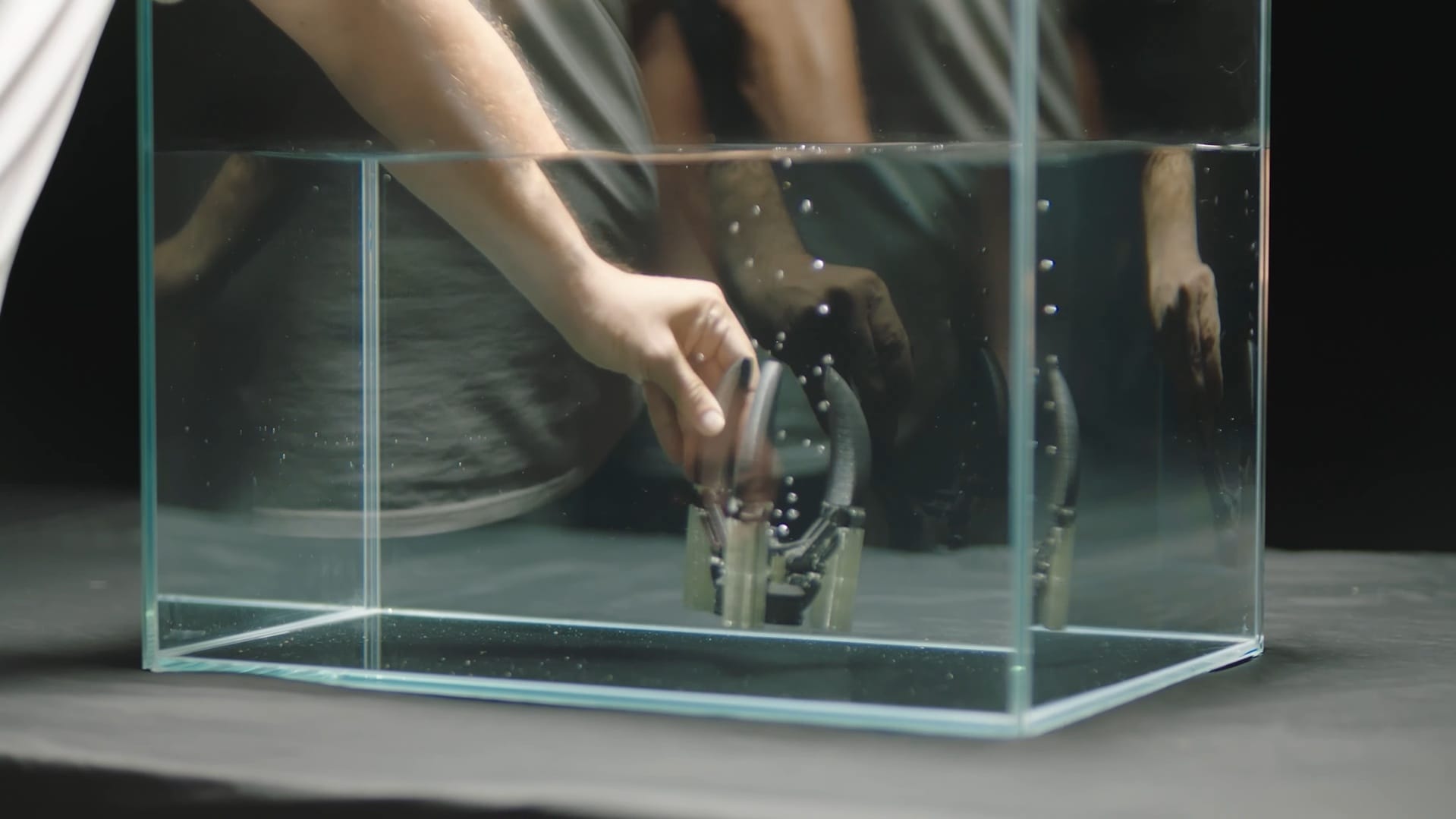
PVA (Polyvinyl Alcohol) is the same material used in dishwasher detergent pods. When used in a tool changer system—where the printer switches between a build material (e.g., PLA) and a support material—designers can print complex, interlocking geometries. Once the print is finished, it is submerged in warm water. The supports dissolve into a cloudy liquid, leaving behind a pristine model with no scarring from breakaway supports. This is critical for internal channels or mechanical parts that cannot be sanded.
Chemical-Soluble Supports (HIPS)
For ABS parts, HIPS (High-Impact Polystyrene) is the support of choice. It dissolves in Limonene (a citrus-based solvent). This pairing is standard in industrial prototyping, allowing for the creation of complex mechanical assemblies that are printed as a single, pre-assembled unit.
Conclusion
The answer to "what can be 3D printed?" is no longer a static list—it is a question of your hardware's readiness. The modern desktop machine is a chameleon. With a simple swap of a nozzle or a hotend, it transforms from a tool for drafting PLA concept art into a factory for carbon-fiber drone parts or stainless steel tools.
As we look at the trajectory of 2026 and beyond, the most successful creators are those who stop thinking of "plastic" as a singular category and start leveraging the vast, tactical vocabulary of materials now at their fingertips. Whether you are printing for strength, flexibility, or pure aesthetic joy, the material is the message.