How Strong Is 3D Printed Plastic in the Real World?

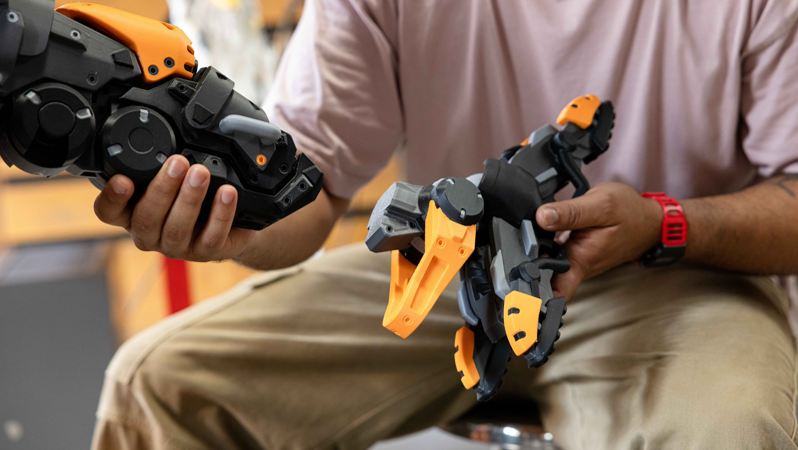
For the uninitiated, 3D printing often suffers from a lingering reputation: it’s seen as a technology for prototyping trinkets, fragile models, and shelf-sitters. The skepticism is understandable. Can a layer-by-layer plastic creation really replace a broken dishwasher latch or serve as a functional bike mount?
The short answer is yes—but with asterisks.
While 3D printed parts behave differently from injection-molded plastics, they are far more capable than the "fragile toy" myth suggests. In this guide, we are stepping out of the materials science lab and into the living room (and garden) to answer two critical questions: how strong is 3D-printed plastic, and how durable are 3D-printed objects when put to the test of daily life?
How Strong Is 3D Printed Plastic? (The "Grain" Reality)
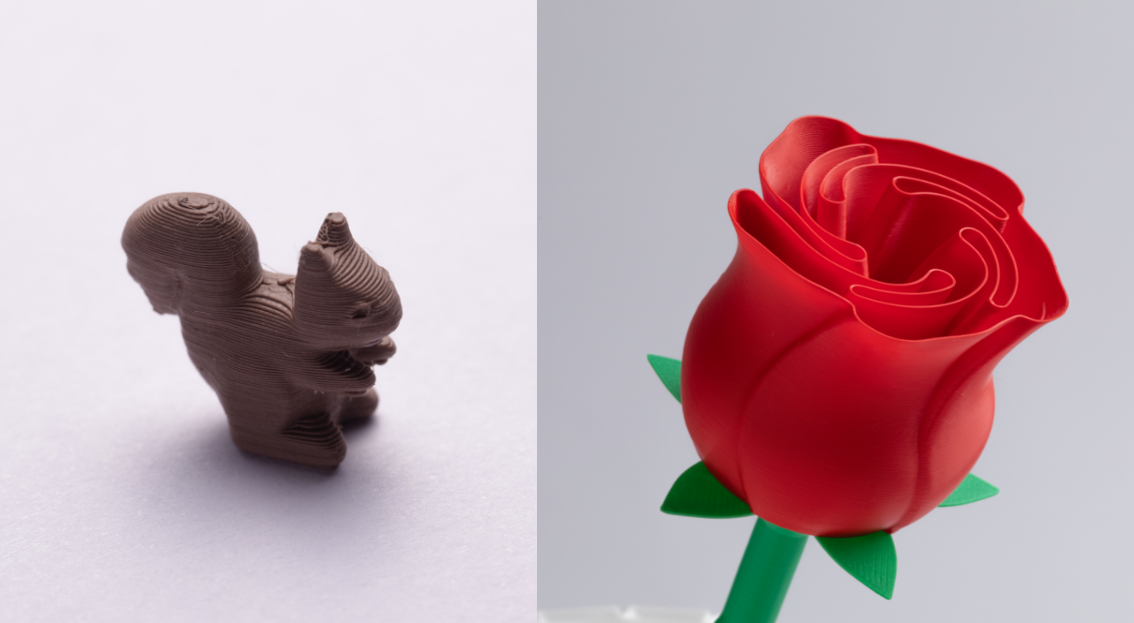
When we ask "how strong is 3d printed plastic," we aren't just asking about the raw material; we are asking about the structural integrity of the print itself.
Unlike a LEGO brick, which is solid injection-molded ABS, an FDM (Fused Deposition Modeling) print is anisotropic. This is a fancy way of saying it has a "grain," much like wood. A printed part is incredibly strong across the X and Y axes (along the layer lines) but significantly weaker along the Z-axis (where the layers bond together).
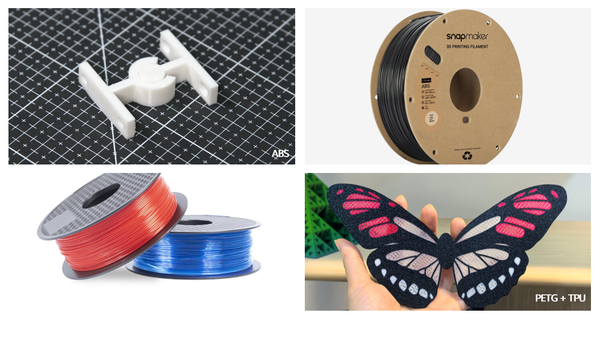
However, "weaker" does not mean weak. Modern FDM printers, like the Snapmaker series, offer precise temperature control that maximizes layer adhesion. For 90% of household applications—wall hooks, headphone stands, or drawer organizers—standard PLA or PETG is already stronger than the load it will ever need to carry.
If your project requires extreme mechanical resilience, the conversation shifts from "is plastic strong enough?" to choosing the strongest 3D printer filament for the job. But for the average maker, strength is rarely the bottleneck—design is.
How Durable Are 3D Printed Objects? (A Lifestyle Stress Test)
Durability is different from strength. Strength is about how much weight a part can hold before snapping; durability is about how long it survives the environment. Let’s break down how durable 3d printed objects are in three common lifestyle scenarios.
1. The Great Outdoors: Sun and Heat
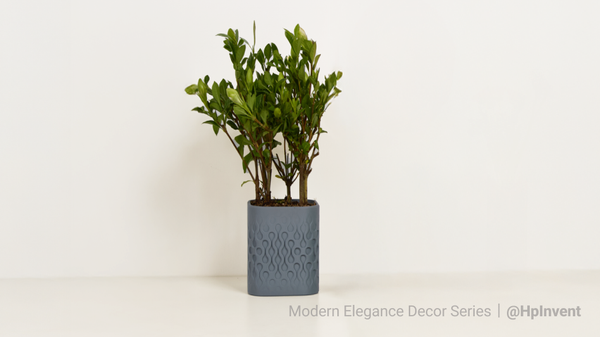
You’ve printed a custom planter or a GoPro mount for your bike. Will it survive the summer?
- The Threat: UV radiation and heat creep.
- The Reality: Standard PLA is biodegradable, meaning it is designed to break down eventually. In direct sunlight, UV rays can make it brittle, and temperatures inside a hot car (often exceeding 60°C/140°F) can cause it to warp or slump.
- The Fix: For outdoor durability, material choice is key. ASA and PETG are UV-stable and heat-resistant. If you use the right material, a 3D-printed garden stake can last for years without losing structural integrity.
2. Kitchen and Bathroom: Water and Humidity
"Can I use this soap dish I printed?" is a common question.
- The Threat: Moisture absorption and delamination.
- The Reality: Most thermoplastics used in printing (like PETG and ABS) are naturally water-resistant. The plastic itself won't dissolve. However, FDM prints are micro-porous. While the object won't fall apart, tiny gaps between layers can trap moisture and bacteria.
- The Verdict: Structurally, they are very durable in wet environments. Hygienically, they require sealing (with food-safe epoxy) if they are in contact with food.
3. The Workshop: Friction and Wear
From gears to replacement knobs, workshop tools face constant mechanical stress.
- The Threat: Friction heat and repetitive strain.
- The Reality: 3D printed gears are surprisingly robust if lubricated. Nylon is the king of durability here due to its low friction coefficient.
- The Strategy: Durability here depends on wall thickness. A part with 5 perimeter walls (shells) will outlast a solid 100% infill part with thin walls every time.
What Actually Makes 3D Printed Parts Strong or Weak?
Many beginners obsess over raw numbers, but longevity often comes down to storage and preparation.
Before you even hit "print," the condition of your filament dictates the durability of the final object. Moisture-laden filament results in bubbly, weak prints that snap easily. It is crucial to master the basics of FDM 3D printing filaments—specifically how to store and dry them—to ensure your final object is as tough as possible.
Furthermore, there is a distinction between the lifespan of the raw spool sitting on your shelf and the printed object. If you are curious about the shelf life of your unprinted materials, specifically how long PLA filament lasts before it becomes too brittle to print, that is a storage issue, not a material strength issue. A degraded spool makes a weak part, but a fresh spool prints a part that can last decades.
Design Tips to Make 3D Printed Parts Last Longer
Finally, knowing the types of 3D printer filament is only half the battle. You can engineer durability into your prints with a few slicer tweaks:
- Increase Wall Count: Walls provide more rigidity than infill.
- Fillets and Chamfers: Sharp corners concentrate stress; rounded edges distribute it.
- Orientation: Print your part so that stress forces run perpendicular to the layer lines, not parallel to them.
Conclusion
So, how strong is 3d printed plastic? Strong enough to fix your fridge, hold your cameras, and organize your life. How durable are 3d printed objects? With the right design and material choice, they can withstand rain, sun, and daily abuse for years.
Don't let the fear of fragility hold you back. Load up your Snapmaker, slice your model with confidence, and start solving real-world problems.