How to 3D Print for the Kitchen: A Guide to Safety, Materials, and Post-Processing

Picture this: You’re baking cookies with your kids on a Sunday afternoon. The shapes are unique—a heart with your child’s name, or a star with a custom swirl. You didn’t buy these cookie cutters; you made them yourself on your 3D printer.
As 3D printing becomes a staple in creative households, more people are using it to craft kitchen tools, cake molds, and measuring spoons. It feels personal and innovative. However, there is a critical question every maker must ask: Is it safe to eat off this print?
The short answer is: Not automatically.
Unsafe prints can leach chemicals into your food or trap harmful bacteria in microscopic gaps. This guide will walk you through the reality of "food-safe" printing, how to choose the right materials, and—most importantly—how to treat your prints to ensure they are safe for your family.
The Reality of Food-Safe 3D Printing
We need to look beyond the plastic spool to ensure food safety. Although a filament may be marked as FDA Compliant or Food Contact Grade, the FDM printing process itself is a source of danger:
- The Layer Line Problem: FDM printing is based upon stacking layers. This forms microscopic cracks (layer lines) on which food particles and bacteria can be trapped. These deep crevices cannot be cleaned by even the best dishwasher cycle.
- The Nozzle Risk: Even standard brass nozzles may contain lead traces that can be contaminated as the filament is extruded.
- Chemical Leaching: Certain colorants or additives used in conventional plastics are not intended for ingestion.
Thus, post-processing is the basis of food safety. The framework is designed for your 3D printer, and the finishing technique ensures safety.
Selecting Materials for Food Safe 3D Printing
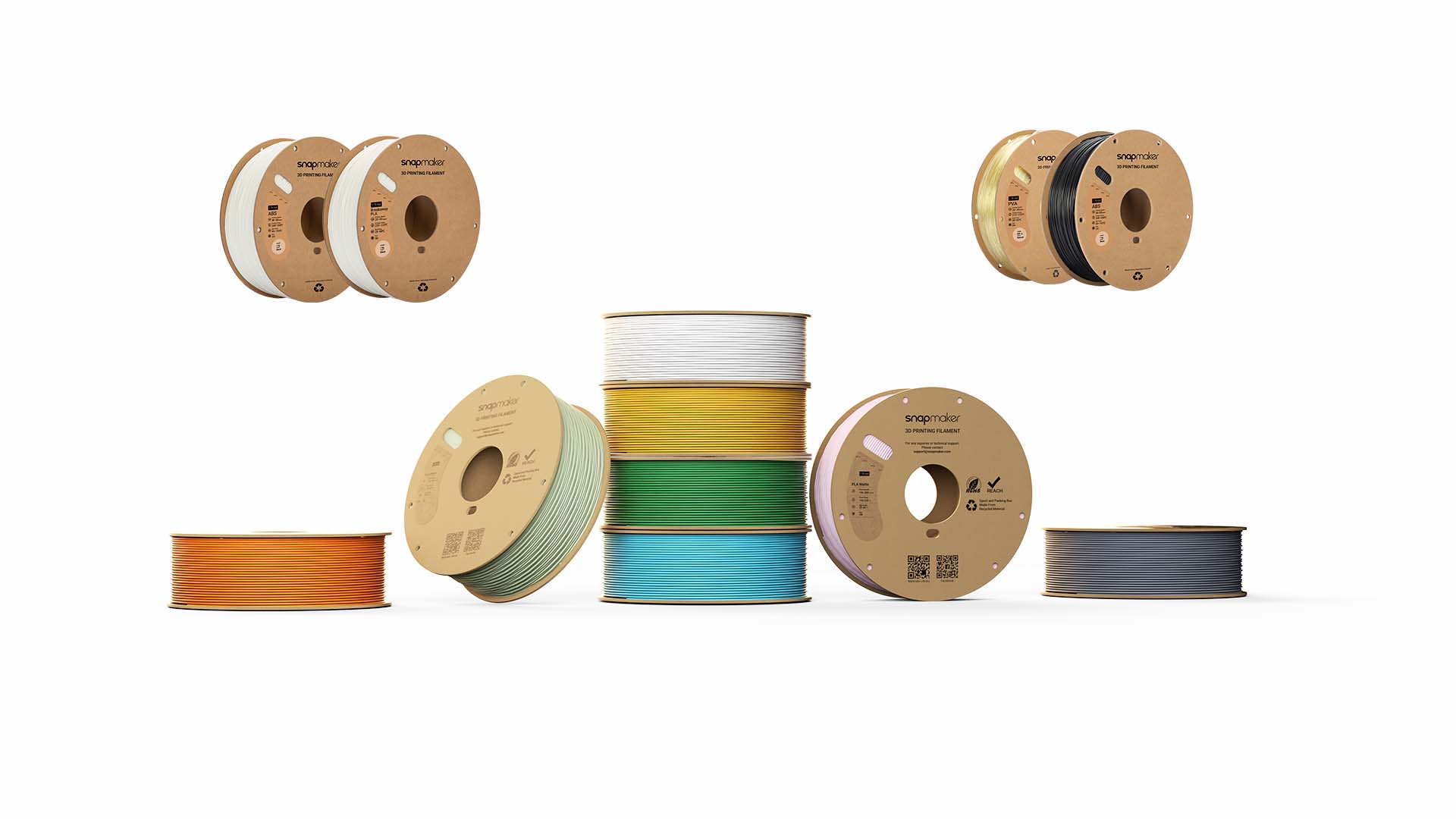
While the raw material isn't the only factor, starting with the right filament is crucial.
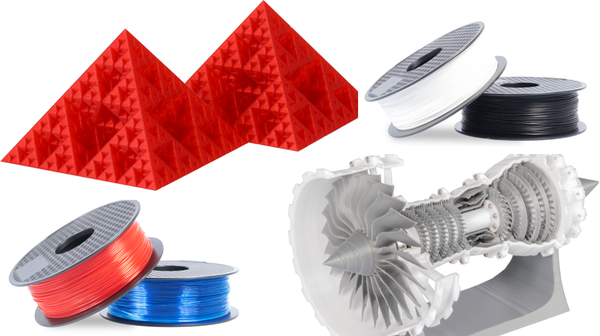
- PLA (Polylactic Acid): This is the most popular choice. It is biodegradable and easy to print. However, standard PLA has a low heat resistance (it will warp in a dishwasher) and is porous. Think of PLA as your structural base, not the final surface.
- PETG: A better option for kitchen tools due to its higher heat resistance and durability. It handles washing better than PLA but still suffers from the "layer line" bacteria issue if left untreated.
- Ceramic/Metal (Experimental): While some advanced printers handle these, most home users rely on plastics.
A Note on Snapmaker Filaments: Snapmaker’s high-speed PLA is engineered for excellent adhesion and dimensional accuracy. While it serves as a perfect, non-toxic foundation for your projects, remember that no standard PLA print should be used for direct food contact without sealing, regardless of the brand.
The Critical Step: Essential Food Safe Coatings for 3D Printing
FDM-printed objects have porous surfaces; therefore, the best way to make them food-safe is to coat them. This forms a slick impermeable barrier between the plastic and your food.
Food-Grade Epoxy Resin. This is the standard for 3D-printed kitchenware. The layer lines are fully covered with a transparent, FDA-compliant epoxy resin (typically used for countertops or tumblers).
Application Steps:
- Clean: Ensure your print is free of dust and oil.
- Coat: Place one thin, even layer of food-safe epoxy resin.
- Cure: Leave it to cure per the manufacturer's instructions (this is crucial to safety).
After curing, your PLA print is now sealed in a food-safe shell, which is smooth, waterproof and easy to wash.
Why Your Printer Matters for Food Safe 3D Printing
You might wonder, "If I have to coat it anyway, does the printer matter?" Yes, absolutely.
To get a successful, safe coating, you need a high-quality base print. A rough print with gaps, stringing, or poor layer adhesion creates a surface that is difficult to seal properly.
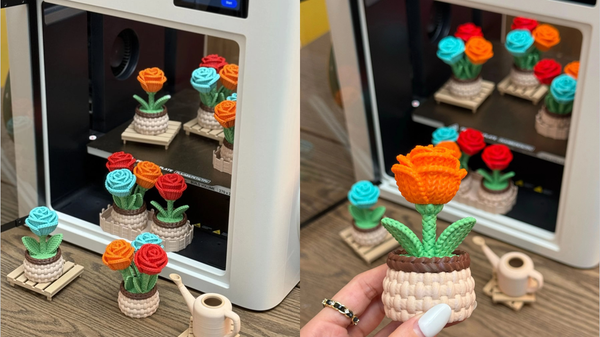
This is where the Snapmaker U1 shines.

- High Precision: The U1’s vibration compensation technology significantly reduces layer lines. A smoother surface means fewer places for bacteria to hide and a much easier surface to coat evenly.
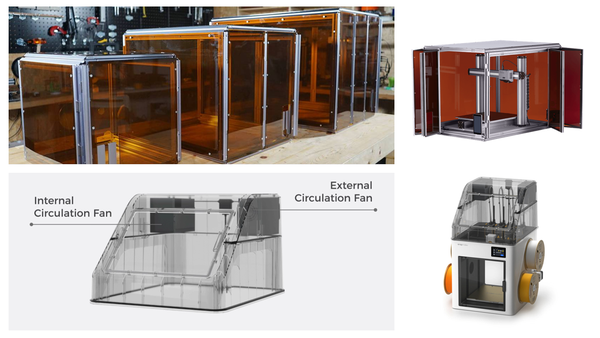
- Material Versatility: Whether you are printing a detailed cookie cutter in PLA or a durable handle in PETG, the U1 handles temperature management perfectly with its enclosed build volume.
- Stainless Steel Nozzle Options: To avoid the possibility of lead contamination by brass, make sure to change to a stainless steel or hardened steel nozzle when printing items that are to be used in the kitchen.
Best Practices for Printing Kitchen Tools
- Make it Solid: unlike decorative vases, kitchen tools should not be hollow. Use 100% infill to make the part solid. This ensures that if the outer wall cracks, there is no hollow cavity inside for mold or stale water to accumulate.
- Design for Cleaning: Avoid sharp internal corners. Smooth, curved (fillets), and simple to scrub design models.
- Hygiene First: Wash your print bed with isopropyl alcohol. Always avoid using hairspray or using glue sticks to stick the hairspray, and wash before coating.
- The "Cold" Rule: For PLA prints, avoid hot foods and dishwashers. Use them for cold applications like cookie cutting, measuring dry ingredients, or as fondant molds.
Conclusion
Can you use your 3D printer for the kitchen? Yes! But it requires a shift in mindset. Safety isn't just about buying a spool of "food-safe" plastic; it’s about the process.
By using a precision machine like the Snapmaker U1 to create a high-quality base, and finishing it with a certified food-safe epoxy, you can create custom kitchenware that is both functional and safe.
So go ahead—design those custom cookie cutters and personalized cake toppers. Just remember: Print precisely, seal properly, and create responsibly.